

As women approach perimenopause and menopause, many experience changes in their hearing, including hearing loss and tinnitus. These issues may be linked to hormonal shifts, particularly the decrease in estrogen. Understanding these changes and learning how to manage them can help maintain a better quality of life during this stage.
Hearing Loss in Menopause
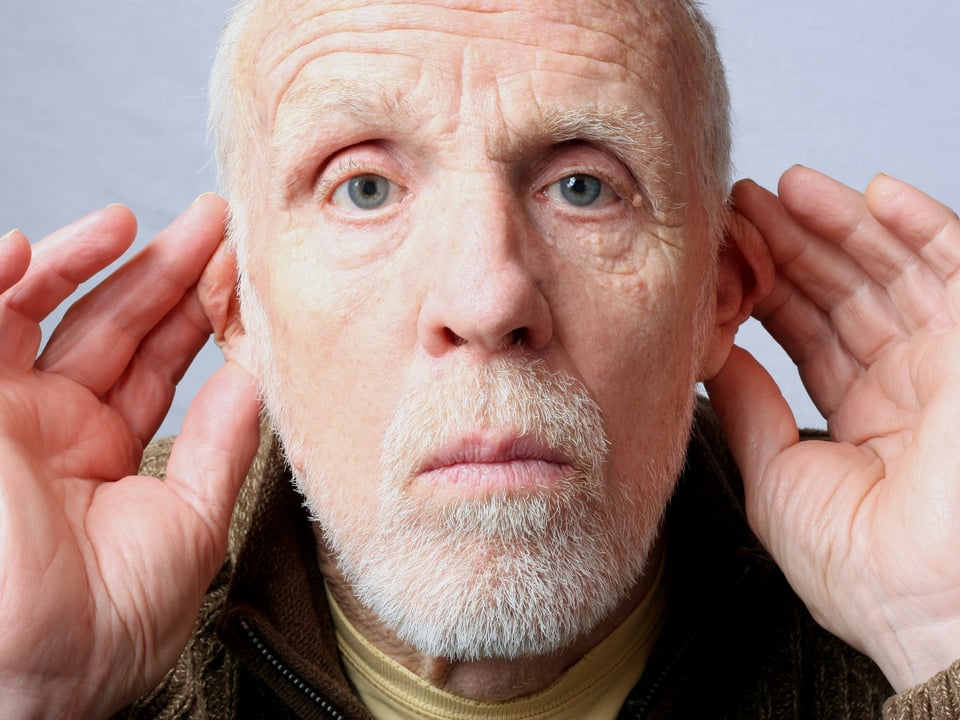
Hearing loss is a common condition, affecting about 1 in 6 people. While men are almost twice as likely to experience hearing loss as women, particularly between the ages of 20 and 69, women’s risk of hearing loss often increases around the time of menopause. This may be due to estrogen’s protective role in the inner ear. When estrogen levels drop during menopause, some women start to experience hearing difficulties.
Tinnitus and Menopause
Tinnitus is hearing a sound, such as ringing or buzzing, without an external source. It affects 10-15% of the population and can be exceptionally bothersome for some women during perimenopause and menopause. The symptoms may be linked to hormonal changes, with reduced estrogen levels potentially playing a role in auditory changes. Other factors, like stress, anxiety, and sleep disturbances that often accompany menopause, can exacerbate tinnitus.
Tinnitus can vary in intensity and frequency. For some, it may be a minor annoyance, while for others, it can significantly impact daily life. If you notice new or worsening tinnitus, seeking help early is essential, as managing it effectively can make a big difference.
Managing Tinnitus During Menopause
Although there is no definitive cure for tinnitus, there are several effective strategies to help manage the condition, reduce its impact, and improve your quality of life:
- Sound Therapy and Masking Techniques
Tinnitus is often more noticeable in quiet environments. Introducing background sounds, such as soft music, white noise, or nature sounds, can help distract your brain from tinnitus. Sound therapy devices, such as white noise machines or apps, can be beneficial, especially at night when silence makes tinnitus more prominent.
- Hearing Aids
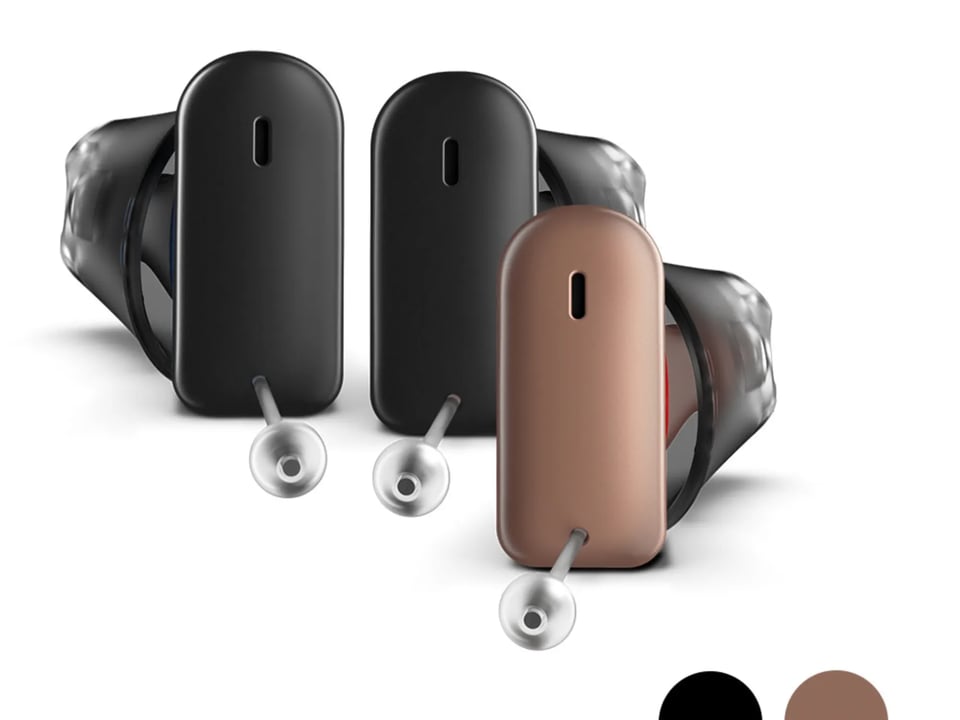
If you have both tinnitus and hearing loss, hearing aids can be highly effective. They not only improve your hearing but can also reduce the intensity of tinnitus by amplifying external sounds, helping to “mask” the internal ringing or buzzing.
- Cognitive Behavioural Therapy (CBT)
Tinnitus can cause emotional distress, anxiety, or frustration. CBT, a type of talking therapy, helps reframe negative thoughts related to tinnitus and teaches coping strategies. Research has shown that CBT can significantly improve the quality of life for people with chronic tinnitus, even if the tinnitus itself doesn’t go away. There is a self-guided CBT package available called Tune Out, for people who feel too uncomfortable talking to someone else, and prefers to work through courses at their own pace in the comfort of their own home.
- Relaxation and Stress Management
Stress and anxiety can worsen tinnitus symptoms, so finding ways to relax is essential. Techniques like deep breathing, yoga, or mindfulness meditation can help calm your nervous system and reduce your perception of tinnitus. Regular physical activity can also be beneficial for reducing stress levels.
- Mindfulness and Meditation
Practising mindfulness and meditation helps to focus attention away from tinnitus and reduces the stress and anxiety associated with it. These techniques help people accept the noise rather than fight it, making it less intrusive. An app called MindEar is a fantastic resource that offers both CBT strategies and Mindfulness-Based Tinnitus Stress Reduction (MBTSR).
- Stay Active
Physical activity improves overall health and helps manage stress and anxiety, which can worsen tinnitus. Regular exercise, even a simple walk, can help you feel more in control and reduce the intensity of your tinnitus.
Steps to Protect Your Hearing:
- Get Regular Hearing Checks—Early detection is critical to managing hearing loss. If you notice changes in your hearing or work in noisy environments, schedule yearly hearing tests to monitor your auditory health.
- Reduce Exposure to Loud Noises—Prolonged exposure to noises above 85 decibels can damage hearing. Avoid prolonged exposure to loud environments to protect your ears, and consider using earplugs or noise-cancelling headphones. For personal audio devices, aim to keep the volume below 60% of the maximum and limit headphone use to less than an hour.
- Maintain Overall Health – Managing blood pressure and heart health and reducing stress contribute to healthier hearing. A magnesium, iron, potassium, and vitamin B12 diet can also support auditory health. Avoid smoking, and be mindful of ototoxic medications (drugs that may damage hearing).
When to Seek Help
If tinnitus or hearing loss affects your quality of life, seeking professional advice is essential.
At The Audiology Place, we provide personalised care for individuals experiencing tinnitus or hearing loss, helping you find strategies that work for you. Whether it’s managing tinnitus with sound therapy, improving hearing with aids, or simply providing expert advice, we’re here to support you through this transition.
For more information or to book a consultation, contact us at The Audiology Place. Let us help you take control of your hearing health today.
References
Armstrong, N., Espeland, M., Chen, Jiu., Masaki, K., Wactawski-Wende, J., Li, W., Gass, M., Stefanick, M., Manson, J., Deal, J., Rapp, St., Lin, F., Resnick, S. (2020) Associations of hearing loss and menopausal hormone therapy with change in global cognition and incident cognitive impairment among postmenopausal women, The Journals of Gerontology: Series A, 75(3_, Pages 537–544,
Delhez A, Lefebvre P, Péqueux C, Malgrange B, Delacroix L. (2020) Auditory function and dysfunction: estrogen makes a difference. Cell Mol Life Sci. 77(4):619-635. doi: 10.1007/s00018-019-03295-y
Hou, Z. Q., & Han, D. Y. (2011). Pulsatile tinnitus in perimenopausal period. Acta Oto-Laryngologica, 131(8), 896–904. https://doi.org/10.3109/00016489.2011.567998
Liu P, Wei R, Zhu Z, (2021) Hormone replacement therapy in perimenopausal women with chronic tinnitus]. Journal of Clinical Otorhinolaryngology, Head, and Neck Surgery. 35(9):812-817. doi: 10.13201/j.issn.2096-7993.2021.09.009.
Ma X, Lu YQ, Zhao YX, Yu LS, Bai WP, Lai RC, E LJ. (2024) Preliminary analysis of risk factors of tinnitus related to female menopause. 59(9):916-921. doi: 10.3760/cma.j.cn115330-20240107-00017
Stenberg, A., Wang, H., Sahlin, L., Hultcrantz, M. (1999) Mapping of estrogen receptors α and β in the inner ear of mouse and rat. Hearing Research, 136(1–2), pp 29-34,doi: https://doi.org/10.1016/S0378-5955(99)00098-2.
Yu, JN., Nam, G.E., Han, K. (2019)Association between menstrual cycle irregularity and tinnitus: a nationwide population-based study. Sci Rep 9, 14038 doi: https://doi.org/10.1038/s41598-019-50559-5