

When people ask me for “the best hearing aid for clarity,” they’re really asking for consistent, easy-to-follow conversation in the places that matter: at the dinner table, in a busy café, on the phone, in meetings, and at home with the TV. The truth is that speech clarity is a team effort between your ears, your brain, the acoustic environment, and the way the hearing aids are selected, fitted, and fine-tuned. Brand names matter less than you might think. What matters most is the right technology matched to your hearing profile, measured accurately in your ears, and supported with proper follow-up.
Below is a practical guide to what actually improves clarity, the features worth paying for, and how we tailor choices at The Audiology Place to give you the best chance of crisp, comfortable speech.
What actually shapes speech clarity (more than the logo)
A comprehensive assessment, not a quick screen. Clear speech starts with an accurate diagnosis. That means pure-tone thresholds (including high frequencies), middle-ear tests, speech recognition in quiet, and crucially speech-in-noise testing. Your ability to pick out words in background noise often dictates the technology and accessories that will help most.
Real-ear measurements (REM). Even the smartest hearing aids are only “smart guesses” until we measure the sound they deliver in your ear canal while you wear them. REM lets me verify the prescription to your eardrum so soft consonants like f, s, t, k land exactly where your brain expects them. Without REM, many fittings under-amplify those high-frequency cues and speech stays fuzzy.
The physical fit. Domes vs custom earmoulds, vent sizes, and retention all affect clarity. A slightly more closed fit can stabilise high-frequency amplification for sharper consonants; too open and you can lose the very cues you need.
Follow-up and rehabilitation. Your brain adapts to new sound patterns. Planned fine-tuning, realistic goals, and a little listening practice can be the difference between “better” and “brilliant.”
Features that matter most for clarity (in order of impact)
Directional microphones & beamforming. Modern aids steer their “focus” toward the talker and away from competing noise. Premium tiers add adaptive beamforming and multi-mic networks that tighten focus as the room gets busier.
Binaural ear-to-ear processing. Your two devices share data in real time to preserve spatial cues and emphasise speech from the front while softening noise from elsewhere.
Robust feedback cancellation. Stable gain at high frequencies means clearer consonants without whistling.
Noise management that protects speech. Strong, slow noise reduction can smear syllables. Look for systems that distinguish speech from noise and keep consonants sharp.
Frequency lowering (when needed). If there’s significant high-frequency loss or cochlear “dead regions,” bringing key cues into an audible zone can restore clarity.
Bluetooth calling to both ears. Binaural phone audio and a good microphone pathway (via the aids or the phone) lifts call clarity dramatically.
Wind and impulse control. Less “whoosh” outdoors and less cutlery clatter fatigue in restaurants help your brain stay locked on speech.
Accessory ecosystem. A discreet remote microphone clipped to your conversation partner will beat any on-ear algorithm in a noisy setting. TV streamers deliver clean, stereo speech at a safe level.
Picking styles for clarity
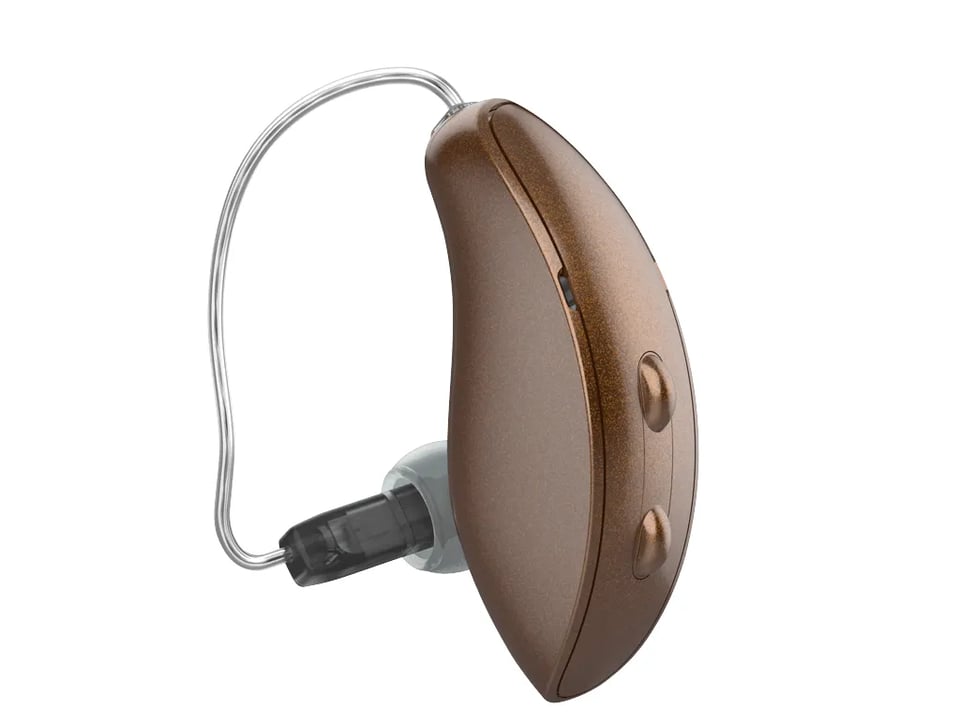
Receiver-in-canal (RIC): The modern workhorse. Excellent clarity potential with the right dome or custom tip, strong feedback control, and full feature sets. Great for mild to severe losses.
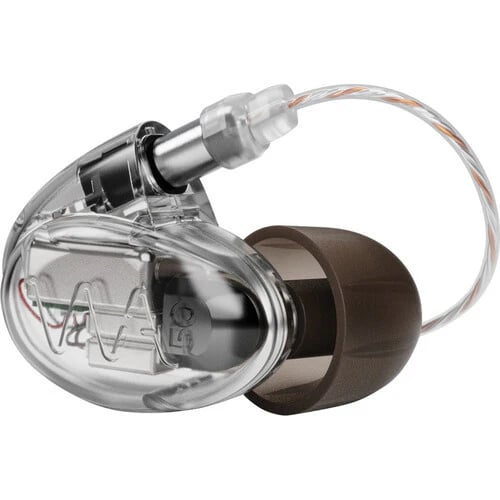
Custom in-ear (ITE/ITC/CIC): Good for telephone and discretion. Clarity depends on venting and mic placement; larger custom shells can host directional mics, which helps in noise.
Behind-the-ear with custom mould: Ideal for more severe losses where we need maximum high-frequency stability and the best feedback headroom.
The smallest device isn’t always the clearest. If busy restaurants and group conversations are your priority, a slightly larger style with better mic spacing and directional performance can be worth it.
Matching technology to your listening life
Quiet to moderate environments, one-to-one chats
A mid-range RIC with solid directionality, good feedback control, and REM-verified gain often delivers excellent clarity. Add Bluetooth for calls and a TV streamer if television is a struggle.
Restaurants, meetings, and group conversations
You’ll benefit from premium-tier directionality (more precise, faster-adapting beamforming) and binaural processing that preserves spatial awareness. For reliably great results, pair the aids with a remote microphone for the main speaker in challenging venues.
Soft voices and children’s speech
We focus on gentle but precise high-frequency gain verified with REM, stable feedback control, and sometimes a slightly more occluding tip to hold onto those delicate consonants. Frequency lowering is assessed case-by-case.
Phone and video calls
Choose aids with dependable, low-latency Bluetooth and true binaural streaming so calls are heard in both ears. For noisy offices or cafés, a lapel or table remote mic linked to your aids can make phone conversations much easier.
Severe hearing loss
We typically recommend power RIC or BTE with custom earmoulds for stable high-frequency amplification. Expect premium feedback cancellation, strong directionality, and careful coaching on accessory use in noise.
Tinnitus with clarity goals
Clarity first; masking second. Once speech audibility is optimised, built-in sound therapy options can help relaxation and reduce effort. Less listening strain frequently reduces tinnitus intrusion by itself.
“Best hearing aid” vs “best-fitted hearing aid”
It’s tempting to chase model names. In practice, the biggest clarity gains come from:
A complete diagnostic work-up including speech-in-noise scores (your “SNR loss” gives us an honest picture of how much tech and what accessories you’ll need in restaurants).
A NAL-based prescription verified with real-ear measurements. This is non-negotiable for crisp consonants.
The right eartip or earmould and venting to stabilise high-frequency gain.
Structured follow-up, because what feels “sharp” on Day 1 often becomes “clear and easy” by Week 3 after a small tune.
Common clarity pitfalls (and how we avoid them)
Too-open fittings for big high-frequency losses. Comfortable, yes; clear, no. We balance comfort with the seal you need for consonant audibility.
Aggressive noise reduction. If it “smooths” the world too much, it can also smooth away speech edges. We set it to protect syllables first.
No remote mic in tough venues. Even the best beamforming struggles at a lively pub. A tiny clip-on mic for the talker turns chaos into conversation.
Skipping REM. Programming to “first-fit” targets without verifying in your ear canal is the fastest way to miss clarity.
How we recommend and fit for clarity at The Audiology Place
Listen first. Your top three listening goals guide every choice.
Test comprehensively. Pure tones, middle ear, speech in quiet, speech-in-noise.
Map solutions to your score. For mild SNR difficulties, good directionality may be enough. For bigger SNR losses, we add premium processing and a remote microphone from the start.
Verify with REM. We match your real-ear response to evidence-based targets so the sounds that carry speech—especially the high-frequency consonants—are truly audible.
Fine-tune in real life. We adjust based on your diaries, family feedback, and live measures.
Support indefinitely. Hearing and environments change; your settings can, too.
So… which hearing aids are “best” for speech clarity?
For most adults with mild-to-moderate loss, a well-fitted RIC with strong directionality, modern binaural processing, and Bluetooth to both ears provides excellent clarity day to day.
If restaurants and meetings are central to your life, step into the premium tier for faster, smarter beamforming—and plan on a remote mic for the toughest spots.
For severe losses, prioritise power RIC/BTE with custom moulds for stable high-frequency audibility.
If calls and TV are key, choose models with reliable streaming and add a TV adapter so dialogue is clean and effortless.
Finally, remember that the most advanced device can only reach its potential if it’s verified in your ears and supported over time. That’s where we put our energy: careful assessment, meticulous fitting, and practical tools that match your real world. If speech feels muffled or effortful, we can fix that—often more through precision and process than through chasing the latest gadget.