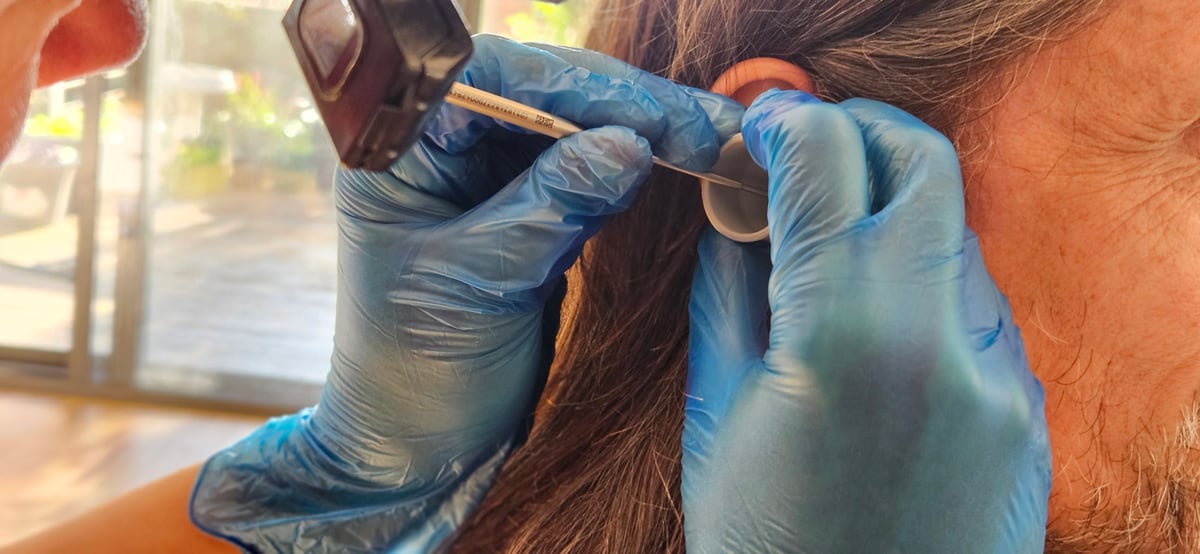
If you’ve ever had blocked ears, you know how frustrating it can be. Sounds become dull, voices are harder to follow, and sometimes you feel underwater. For many people, it’s simply a build-up of earwax. But when removing that wax, not all methods are created equal.
You might have heard of ear syringing or ear irrigation, the traditional method used in many GP clinics. But these days, more and more hearing health professionals are turning to microsuction earwax removal—and for good reason.
At The Audiology Place, we use microsuction exclusively. Here’s why.
What Is Ear Syringing and What Are the Risks?
Ear syringing involves flushing the ear canal with a stream of warm water to try and dislodge the wax. If the wax has been softened in advance, this can sometimes work well. But the reality is, syringing comes with risks – especially for people with delicate ears, a history of ear infections, or previous ear surgery.
Some of the known risks of ear syringing include:
- Infections, especially when water is trapped behind partially removed wax
- Tinnitus or ringing in the ears after the procedure
- Vertigo or dizziness
- Perforated eardrums, particularly in people with existing ear conditions
- Skin trauma to the sensitive ear canal
It’s also not recommended for people with diabetes, immune conditions, or a history of ear surgeries. Even when performed correctly, syringing has a higher rate of complications compared to other methods.
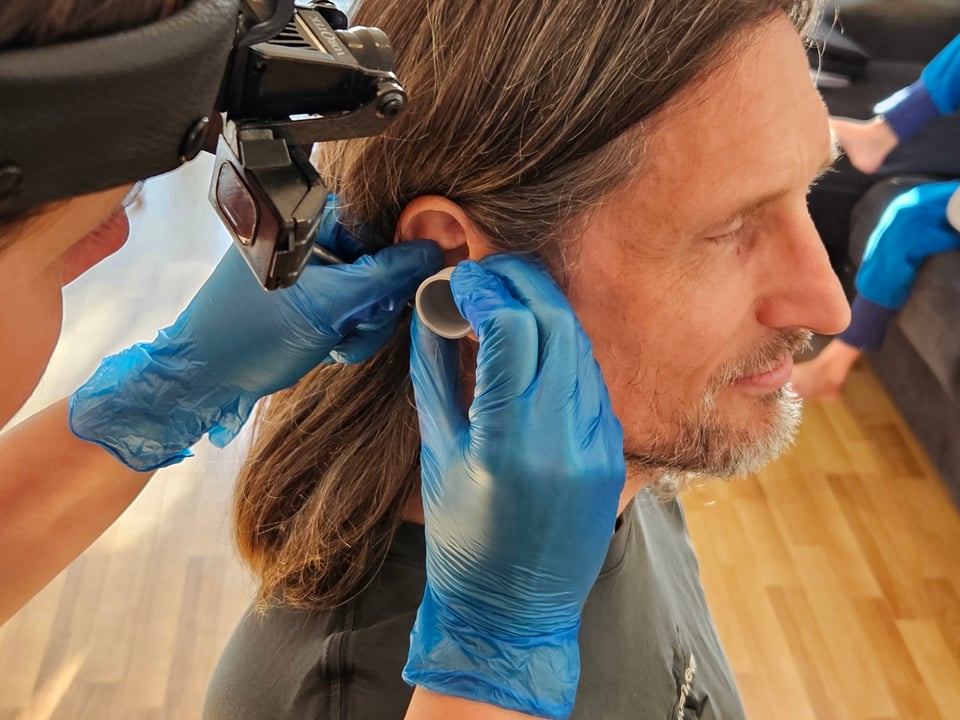
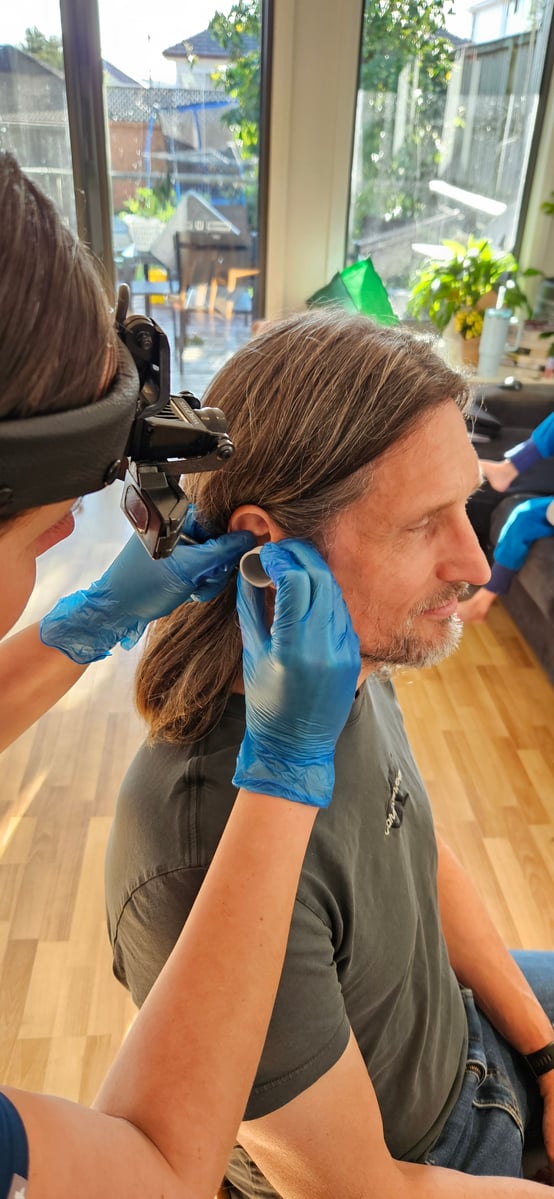
Microsuction ear wax removal is considered the gold standard for safe and effective ear cleaning. It’s the method we use here at The Audiology Place because it’s:
- Dry – there’s no water introduced into the ear
- Gentle – using a low-pressure suction device
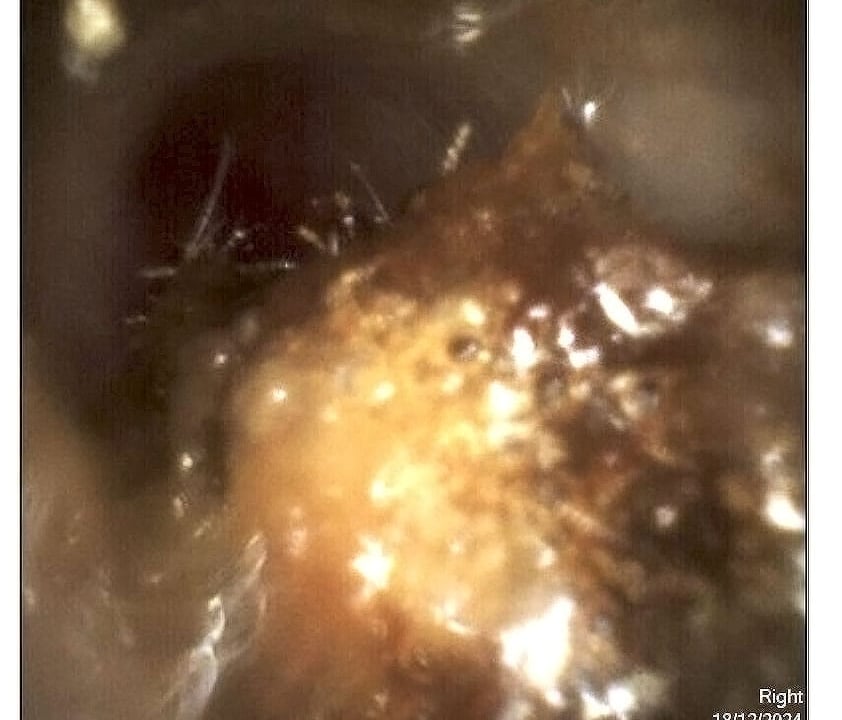
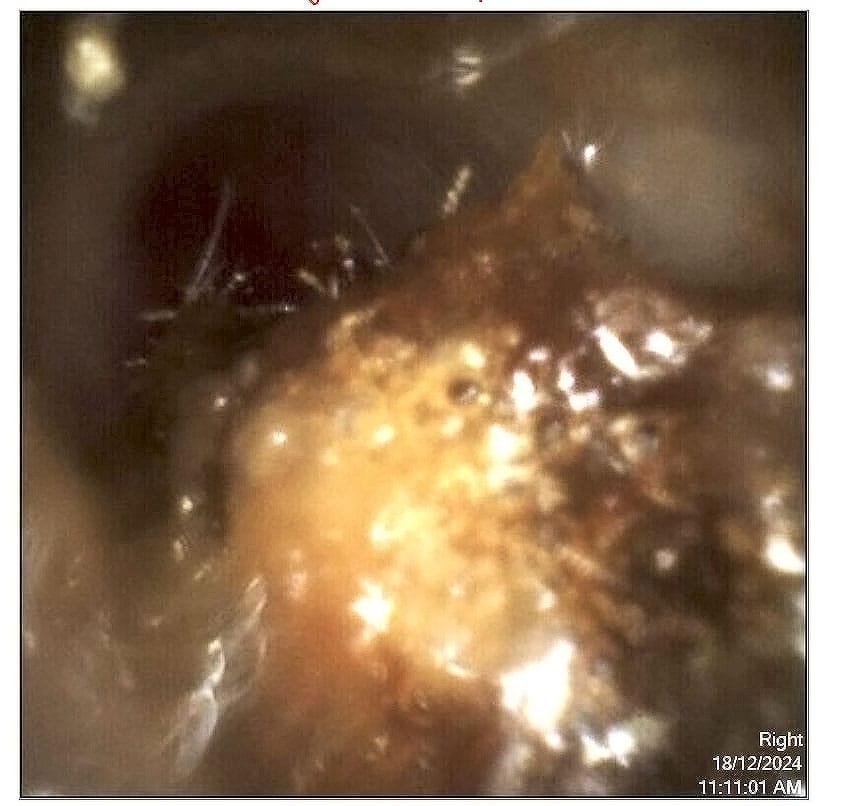
- Precise – we can see what we’re doing the whole time using a specialised microscope or video otoscope
- Safe – even for people with perforated eardrums or infections
- Comfortable – most patients describe it as a light pulling or tickling sensation
Think of it like a mini vacuum cleaner for your ears. We’re not guessing. We’re not pushing anything into your ear. We’re gently removing what shouldn’t be there with complete visibility and control.
Microsuction and Hearing Aids
If you wear hearing aids, micro suction is especially important. Hearing aid users often experience more wax build-up because the devices can block the natural flow of wax out of the ear. This can lead to blocked aids, feedback issues, and even ear infections.
Because microsuction is gentle and doesn’t rely on moisture, it’s the safest way to keep your ears clear without disrupting your hearing aid use.
What to Expect at Your Appointment
Before your appointment, we recommend using a wax-softening spray for three or four days. At The Audiology Place, we often suggest CleanEars, a natural, olive oil-based spray that is safe and easy to use. Softening the wax first helps us remove it more easily and comfortably.
During the appointment, we’ll examine your ears with a video otoscope so you can see what’s going on, too. Then, we’ll gently remove the wax using micro suction. The whole process usually takes less than 30 minutes.
If the wax hasn’t been softened beforehand, it might be harder to remove and could require a follow-up appointment. Please note that if removal isn’t possible due to hardened wax, the consultation time is still billable.
Microsuction in Forestville: Local, Personal Care
At The Audiology Place, we’re proud to offer microsuction ear wax removal on the Northern Beaches, right here in Forestville. We’re a small, independent audiology clinic, and we take the time to get to know our patients and provide care that’s safe, comfortable, and completely personalised.
Whether you’re a first-time visitor, a regular hearing aid user, or just want a safe solution for your blocked ears, you’re in expert hands.