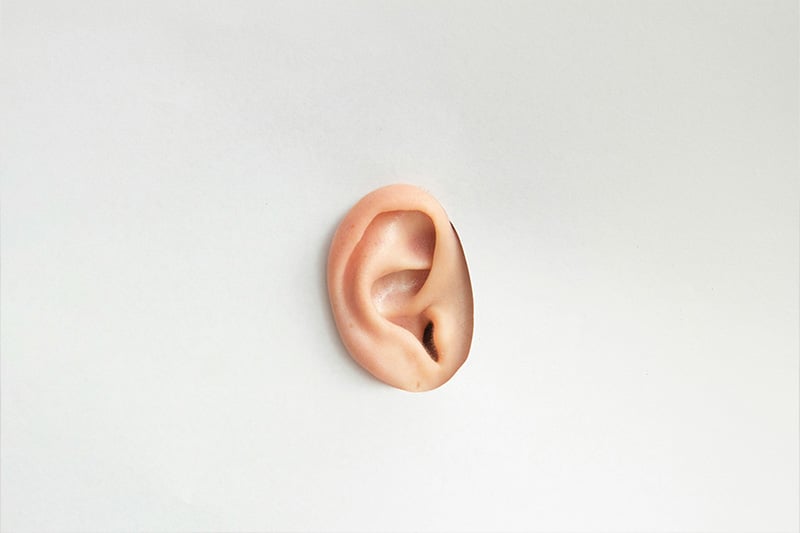

Surfer’s ear, also known as external auditory exostosis (EAE), or is a condition characterised by bony growths in the ear canal. While the name suggests it exclusively affects surfers, it can impact anyone exposed to cold water or wind for extended periods. Swimmers, divers, kayakers, and other water sports enthusiasts are also at risk. Although preventable with proper measures, untreated surfer’s ear can lead to complications such as hearing loss, recurrent infections, and the need for surgical intervention.
This article delves into the causes, symptoms, treatment, and prevention of surfer’s ear, highlighting the importance of awareness and timely action.
What Is Surfer’s Ear?
Surfer’s ear develops as a protective response to prolonged exposure to cold water or air. When cold water enters the ear canal, it triggers inflammation in the bone lining, which stimulates new bone growth. Over time, these growths—known as exostoses—can narrow or completely block the ear canal.
This condition differs from swimmer’s ear, which refers to an infection of the outer ear canal. While the two conditions can coexist, surfer’s ear is a chronic, structural issue requiring different management strategies.

Who Is at Risk?
Surfer’s ear is especially common among individuals who frequently engage in cold-water activities. Research shows that surfers exposed to colder climates and waters are six times more likely to develop the condition compared to those surfing in warm conditions. Factors influencing the risk include:
- Frequency of water exposure: More than 50 surfing sessions per year significantly increase the risk.
- Duration of water exposure: Long-term surfers, especially those active for over five years, are more prone.
- Cold and windy conditions: Temperatures below 19°C (66°F) accelerate the development of exostoses.
Notably, men are more commonly affected than women, potentially due to higher participation rates in water sports.
Symptoms of Surfer’s Ear
In its early stages, surfer’s ear is often asymptomatic, making regular checks important for those at risk. As the condition progresses, symptoms may include:
- Hearing Loss: Blockage caused by the bony growths can lead to conductive hearing loss.
- Water Trapping: Narrowed ear canals make it difficult for water to drain, causing a persistent sensation of fullness.
- Recurrent Infections: Water and debris trapped in the ear canal create a breeding ground for bacteria, leading to frequent infections.
- Ear Pain: Pain may arise from infections or pressure buildup in the blocked canal.
If untreated, the condition can worsen, with over 90% blockage potentially resulting in significant hearing loss.

Diagnosis
Surfer’s ear is typically diagnosed during a physical examination with an otoscope. The bony growths appear as hard, nodular masses in the ear canal, often bilateral. In some cases, imaging such as a CT scan may be used to assess the extent of the growths and aid in surgical planning.
Treatment Options
Currently, the only definitive treatment for surfer’s ear is surgery to remove the bony growths. This procedure, known as a canalplasty, is typically performed by an Ear, Nose, and Throat (ENT) specialist. Surgical techniques include:
- Through the Ear Canal: Small chisels or drills are used to remove the growths. This approach is less invasive and suitable for growths located away from the eardrum.
- Behind the Ear: If growths are near the eardrum or particularly extensive, an incision behind the ear may be necessary.
While the surgery is usually performed as a day procedure, recovery takes at least a month. During this time, patients must avoid water exposure to prevent complications and allow proper healing.
Note: At The Audiology Place, we specialise in diagnosing and managing the non-surgical aspects of surfer’s ear. While we do not perform surgery, our audiologists can assess your condition, provide advice on prevention, and refer you to an ENT specialist if necessary.
Complications of Untreated Surfer’s Ear
Left untreated, surfer’s ear can lead to serious complications, such as:
- Chronic Infections: Frequent ear infections may result from debris and water trapped behind the growths.
- Hearing Loss: Severe occlusion of the ear canal leads to conductive hearing loss, impacting daily communication.
- Eardrum Damage: Pressure or repeated infections can cause eardrum perforation, which may require further medical intervention.
- Mastoiditis: In rare cases, untreated infections can spread to the mastoid bone, leading to a potentially life-threatening condition.
Prevention: Protecting Your Ears
Preventing surfer’s ear is far easier than treating it. The following measures can significantly reduce your risk:
- Wear Ear Plugs: Silicone ear plugs specifically designed for water sports create a barrier, preventing cold water from entering the ear canal.
- Use a Wetsuit Hood: A neoprene hood offers additional protection, particularly in colder climates.
- Limit Exposure: Reducing the duration of water activities during colder months can help lower your risk.
- Dry Your Ears: After water exposure, use a soft towel or alcohol-based ear drops to remove moisture and prevent infections.
Why Prevention Matters
With advancements in wetsuit technology allowing surfers to brave colder waters, the incidence of surfer’s ear is on the rise. Many individuals remain unaware of the preventability of this condition. Studies show that only a small percentage of surfers consistently use ear protection, even among those aware of the risks.
Taking preventive measures not only protects your hearing but also spares you the potential complications and recovery time associated with surgery.
References
Lambert C, Marin S, Esvan M, Godey B. Impact of ear protection on occurrence of exostosis in surfers: an observational prospective study of 242 ears. Eur Arch Otorhinolaryngol 2021; 278: 4775–4781.
Renneker, M. (1987). Medical Aspects of Surfing. The Physician and Sportsmedicine, 15(12), 96–105. https://doi.org/10.1080/00913847.1987.11704820
Simas, V., Hing, W., Pope, R., Climstein, M. – Australian surfers’ awareness of ‘surfer’s ear’: BMJ Open Sport & Exercise Medicine 2020;6:e000641.
Vallée, A. External auditory exostosis among surfers: a comprehensive and systematic review. Eur Arch Otorhinolaryngol 281, 573–578 (2024). https://doi.org/10.1007/s00405-023-08258-5