
Hyperacusis and Misophonia Treatment
If everyday sounds feel overwhelming, you’re not “too sensitive” — your nervous system is working overtime. At The Audiology Place in Forestville on Sydney’s Northern Beaches, and Epping, we help adults with sound sensitivity, including misophonia and hyperacusis, feel calm and in control again. Led by Dr Signe Steers, our independent clinic offers personalised, evidence-based care in sound-treated rooms, combining gentle sound enrichment, graded desensitisation, practical counselling and, when helpful, discreet wearable sound generators or hearing aids. We take the time to listen, explain what’s happening in plain English, and build a plan that suits your life — no referral needed. If you’ve been searching for sound sensitivity therapy in Sydney or misophonia support on the Northern Beaches, we’re here to help.
Hyperacusisis a condition in which everyday sounds feel painfully loud and hard to tolerate. People with hyperacusis might hear noises that are uncomfortable or even painful. This condition can be triggered by moderate to loud or sudden and unexpected sounds. Both children and adults can experience this condition.
The most common causes of hyperacusis are exposure to a loud noise, like an acoustic shock or tinnitus. Other factors that might increase the risk include neurological conditions, psychiatric disorders, autism, or side effects from certain medications. It's important to understand that hyperacusis isn't something anyone can control, and the time it takes to improve can vary.
One of the best ways to manage hyperacusis is to help the person understand how their hearing system works and address their thoughts and feelings about the condition. Reassurance and education can often help reduce sensitivity. Sound therapy techniques have also been effective for many people. Since hyperacusis can cause anxiety and depression and impact daily life, a treatment plan involving multiple healthcare professionals is usually the most helpful.
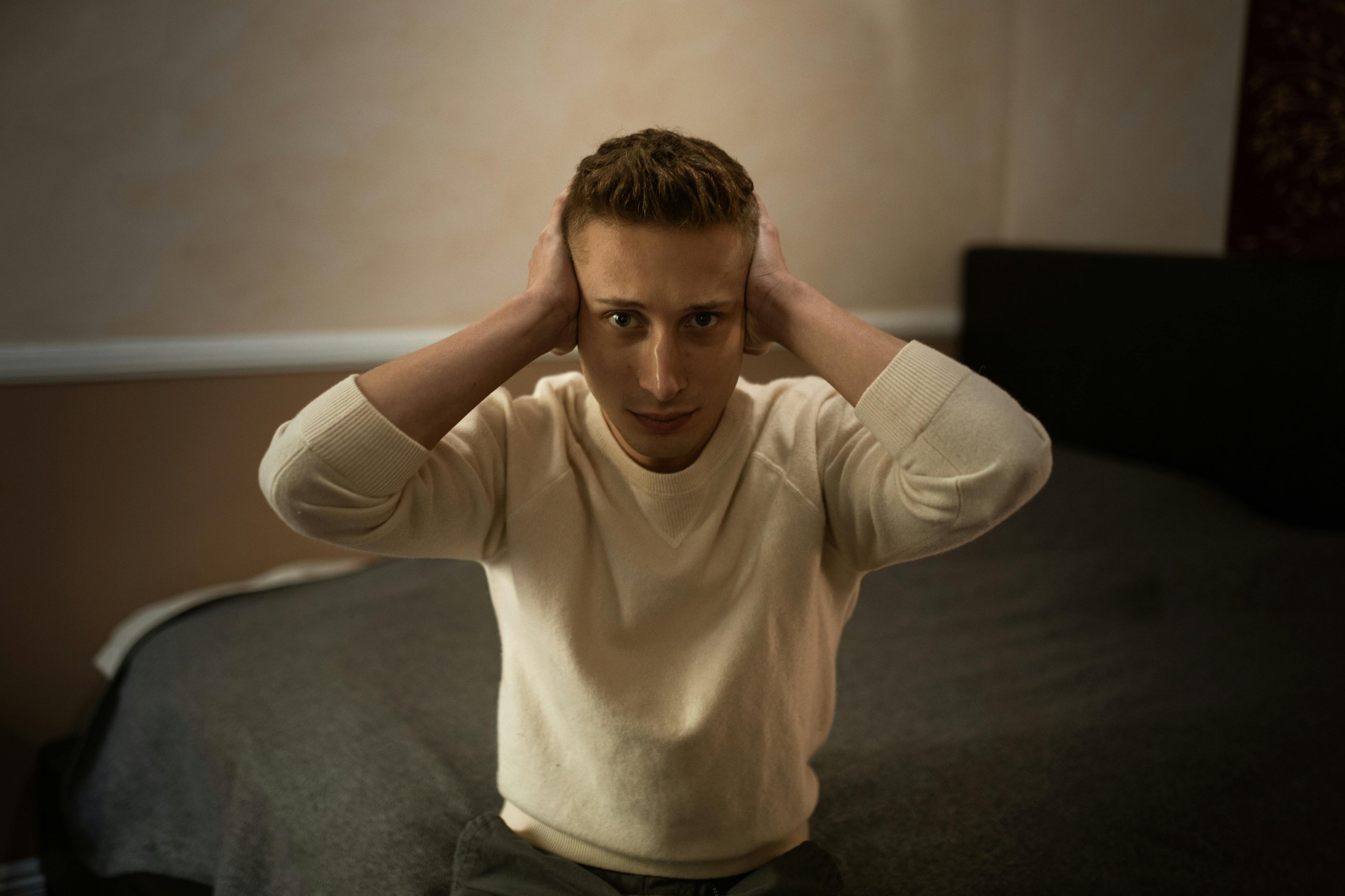
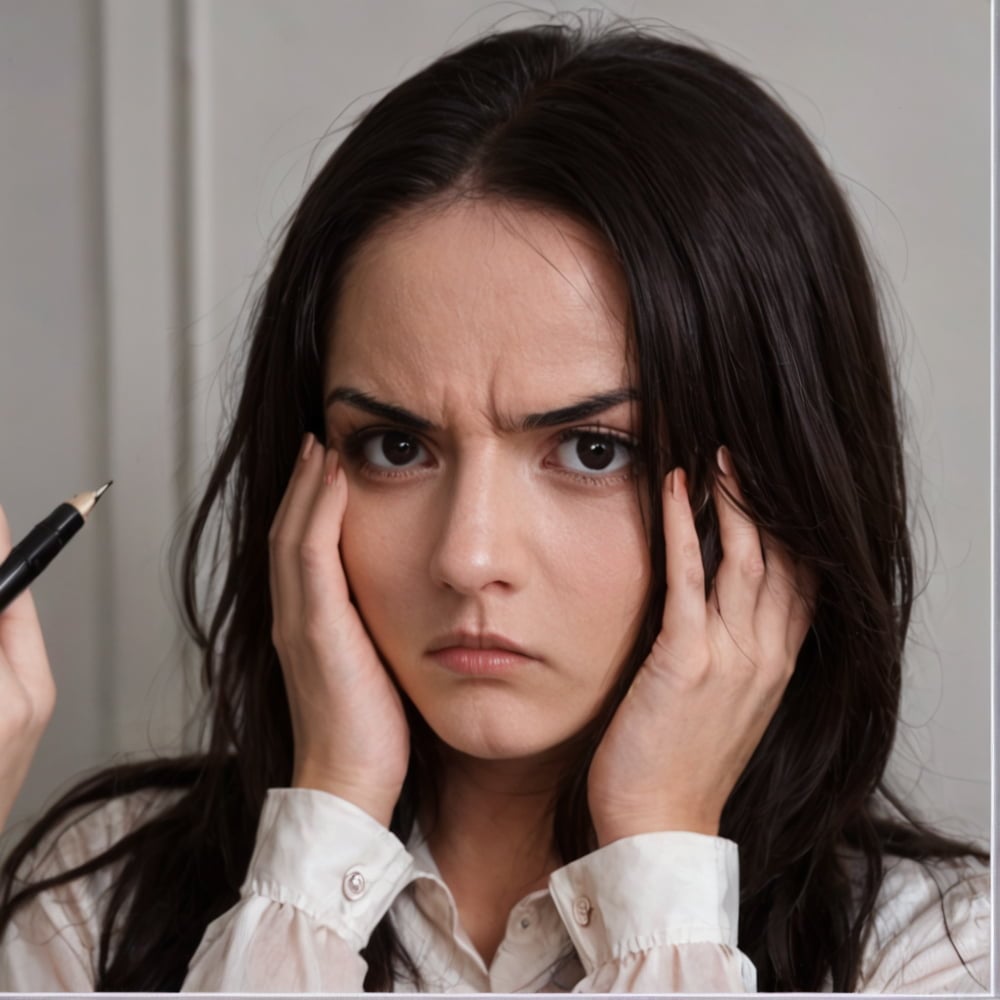
Misophoniais a condition in which certain specific sounds, no matter how quiet, trigger a strong adverse reaction. People with misophonia are susceptible to particular noises, like chewing, breathing, or tapping, often made by others. These trigger sounds can also include repetitive noises, such as clicking a pen or typing, or softer sounds that feel intrusive, like a neighbour's music.
When someone with misophonia hears a trigger sound, they can experience intense irritation, frustration, or even anger. This strong emotional response can be overwhelming, leaving the person feeling embarrassed or ashamed about how they react. Many people with misophonia develop anxiety about encountering these sounds, worrying about how they'll manage their emotions when exposed to them.
Misophonia often starts early in life when a person has a negative reaction to a particular sound. Over time, this reaction can build, both consciously and subconsciously, to the point where the sound can trigger intense anger or even rage. These sounds become harder to tolerate as time goes on. Due to neurological differences, people with autism spectrum disorders or sensory processing disorders are more prone to developing misophonia.
The best way to manage misophonia is to understand how the brain's central auditory system works and its unique retraining ability. Like with hyperacusis, sound therapy is a vital part of treatment. This involves using neutral background sounds to help lessen the impact of trigger sounds. Since many of these sounds can't be avoided daily, sound therapy helps by masking the triggers with more tolerable noises. While avoiding trigger sounds may seem like the best solution, it can make things worse, so learning coping strategies is essential to managing the condition.
Although hyperacusis and misophonia can happen simultaneously, they are two separate conditions.