

As an audiologist who works with people of all ages and stages, I’ve always believed that the best hearing care is both personal and evidence-based. In recent years, artificial intelligence has been making a quiet but powerful shift in how we approach hearing aids. It’s not just about fancy new technology – it’s about utilising that technology to support individuals more effectively, enhance outcomes, and ultimately make life easier and richer for those with hearing loss. I want to take a moment to share what’s changing and what it means for my patients.
More Innovative Tools for Audiologists and Better Outcomes for Patients
From the clinic side, AI is becoming a helpful tool for audiologists, especially when it comes to fitting and follow-up care. Some of the newer hearing aid fitting software uses machine learning to suggest starting points based on a patient’s hearing profile. This doesn’t replace clinical judgement – but it does mean we can start from a more precise place, saving time and helping us personalise more quickly.
Another area where we’re seeing change is in auditory training and rehabilitation. There are now programs that adapt in real time to the user’s performance. One I’ve worked with adjusts listening tasks on the fly depending on how well the person is managing speech-in-noise exercises. These kinds of support help people stay engaged and see real progress, especially in those first few months of adjustment.
And what about outcomes? In my experience, patients using AI-supported hearing aids are often more satisfied, particularly in noisy environments. Conversations at the café, in the car, at family gatherings – these are the real-life moments where the difference becomes clear.
What’s Happening Inside the Hearing Aids
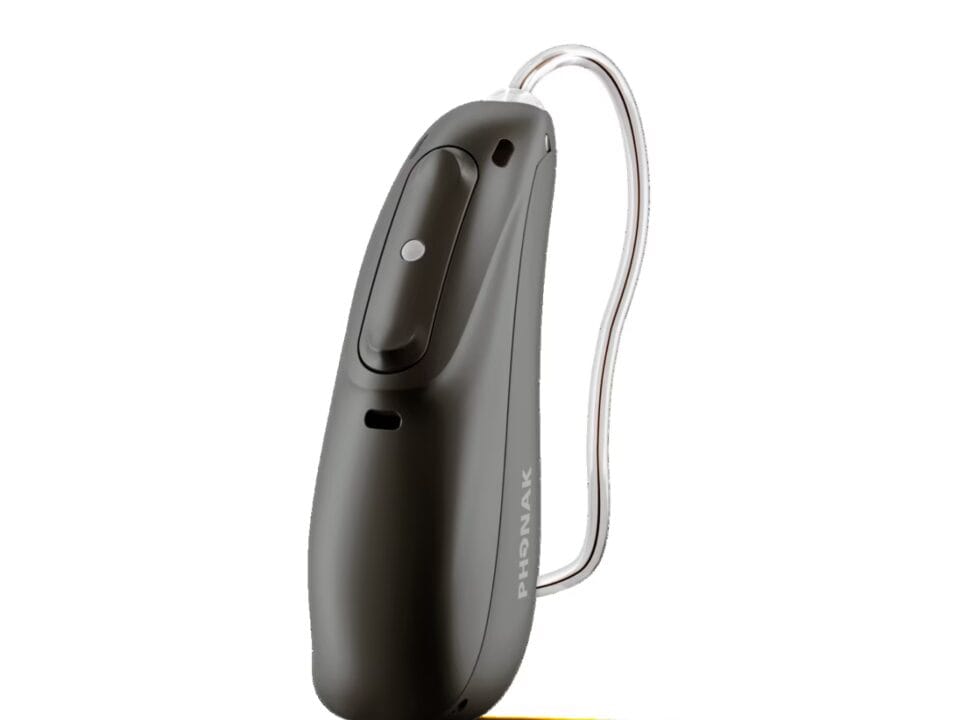
The technical side of AI in hearing aids is where things get really interesting. Behind the scenes, tiny processors are now running deep neural networks – algorithms inspired by how the brain processes sound. These systems are constantly learning and adjusting based on the sound environment, separating speech from background noise with far greater accuracy than older devices ever could.
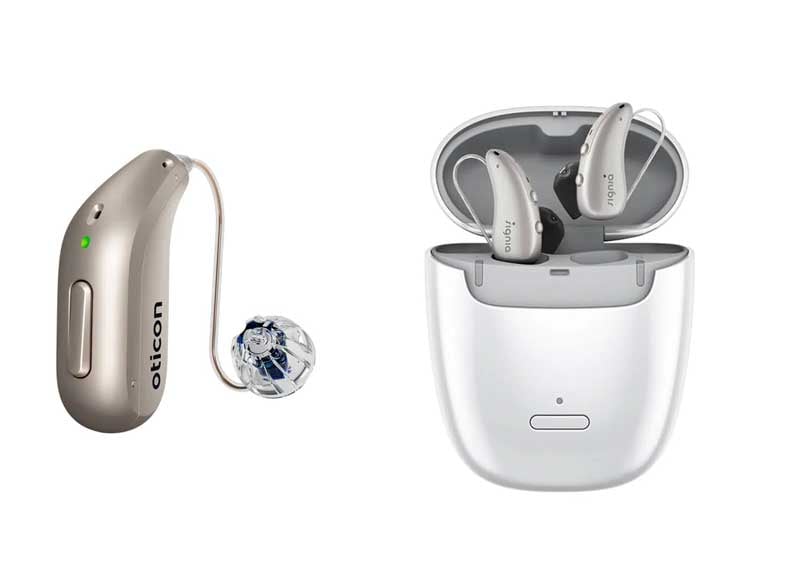
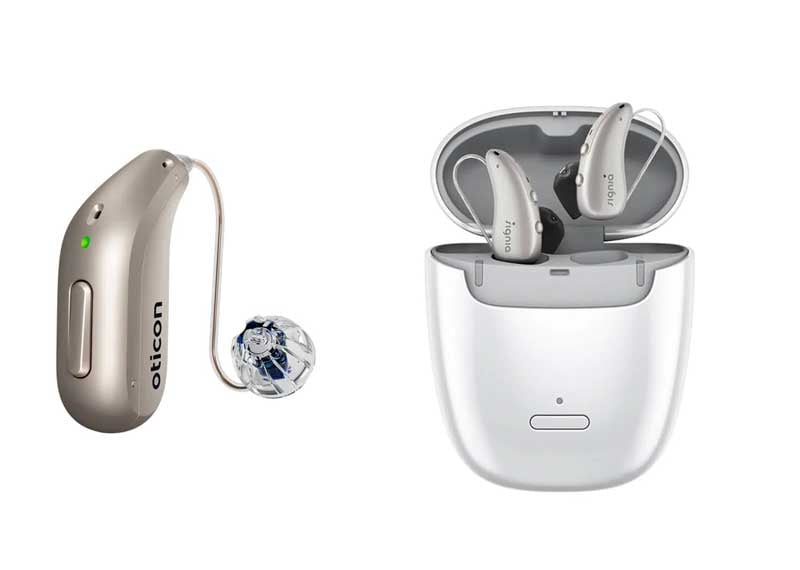
Some hearing aids, such as Oticon’s recent models, have been trained on hundreds of different sound environments, allowing them to respond quickly and intelligently to the world around them. Others, like Starkey’s Genesis AI, take it a step further and utilise real-time computing to simulate aspects of cortical hearing, aiding in tasks such as speech clarity and directionality.
All this processing power means that modern hearing aids aren’t just amplifying sound; they’re also enhancing it. They’re actively improving the signal we want to hear, and suppressing what we don’t. That’s a big leap forward for anyone struggling to follow conversations in noisy places.
Features That Make Life Easier
What I really appreciate as a clinician is how AI is making hearing aids more usable – not just smarter. Many of my patients no longer need to worry about switching programs or manually adjusting settings. The device learns their patterns and adapts. Whether they’re moving from the kitchen to the garden or heading out for a walk, the hearing aid keeps up.
Bluetooth connectivity is now standard in many devices, allowing users to stream phone calls, music, and even Zoom meetings directly to their ears. And some hearing aids now double as health monitors, tracking steps, detecting falls, and even linking to smart home systems. These features may seem like bells and whistles, but for many people, they offer absolute safety, convenience, and confidence in their daily lives.
Looking Ahead
As always, no piece of technology can replace the human side of hearing care. The conversations we have, the decisions we make together, the individual goals we set – these are just as important as ever. However, what excites me is that AI is providing us with more to work with. It’s helping us meet people where they are, and tailor support in a way that feels more natural and less burdensome.
At The Audiology Place, I view these tools not as gadgets, but as part of a broader shift in hearing care – one that prioritises precision, ease, and, above all, people’s quality of life. That’s the kind of progress I’m proud to be part of.