If you live with tinnitus, you already know it is not “just a noise.” It can crowd your thoughts, make conversations harder to follow, and drain your energy by the end of the day. The good news is that for most people, a properly fitted hearing aid can make a meaningful difference. As an independent audiologist, my focus is not on a particular brand, but on matching the right features and fitting approach to your ears, your lifestyle, and the way your tinnitus behaves. Below, I I’lll walk you through how hearing aids help, which features matter most, and how we tailor care to provide you with real-world relief.
Why hearing aids help tinnitus
Tinnitus often becomes more noticeable when the brain is starved of external sound. Age-related or noise-related hearing loss reduces access to the quiet, high-frequency details of everyday life. Your brain, always hungry for input, tries to “fill in the gaps” and turns up the gain. That extra gain can manifest as internal sound, or tinnitus. A well-fit hearing aid restores ambient sound, lowers the brain’s need to “turn up the volume,” and often reduces the perceived loudness and intrusiveness of tinnitus. For many patients, simple amplification is the single most significant step toward relief.
The features that matter most
1) Clean, precise amplification
Look for hearing aids with high-resolution processing, especially in the high frequencies where hearing loss commonly begins. Fine control over gain in small frequency steps allows me to shape amplification very precisely to your audiogram. Accuracy here matters far more than any marketing claim.
2) Built-in tinnitus sound therapy
Many modern devices include tinnitus “sound support” options. These can generate gentle sounds such as white noise, pink noise, ocean waves, or music-like fractal tones. The goal is not to completely mask it, but to blend your tinnitus into a more comfortable background, allowing your attention to shift away from it. Some systems also enable notched therapy, where amplification is reduced around the pitch of your tinnitus. We select the approach based on your tinnitus pitch, your hearing, and your preferences.
3) App control you will actually use
Tinnitus is a personal experience, and its symptoms can change throughout the day. An easy-to-use app lets you adjust the sound therapy settings, switch between sound profiles, or add calming soundscapes without needingg toreturn to the clinic. This sense of control is therapeutic in its own right.
4) Bluetooth streaming and sound enrichment
Being able to stream soothing audio, mindfulness tracks, or your favourite playlist straight to your hearing aids can quickly calm spikes. This also improves speech clarity on calls and video meetings, which reduces listening effort and indirectly helps tinnitus.
5) Directional microphones and noise management
Clearer speech in busy places reduces listening strain. Less strain means less end-of-day tinnitus aggravation. I look for devices that handle background noise gracefully without making the world sound sterile.
6) Comfortable, stable fit
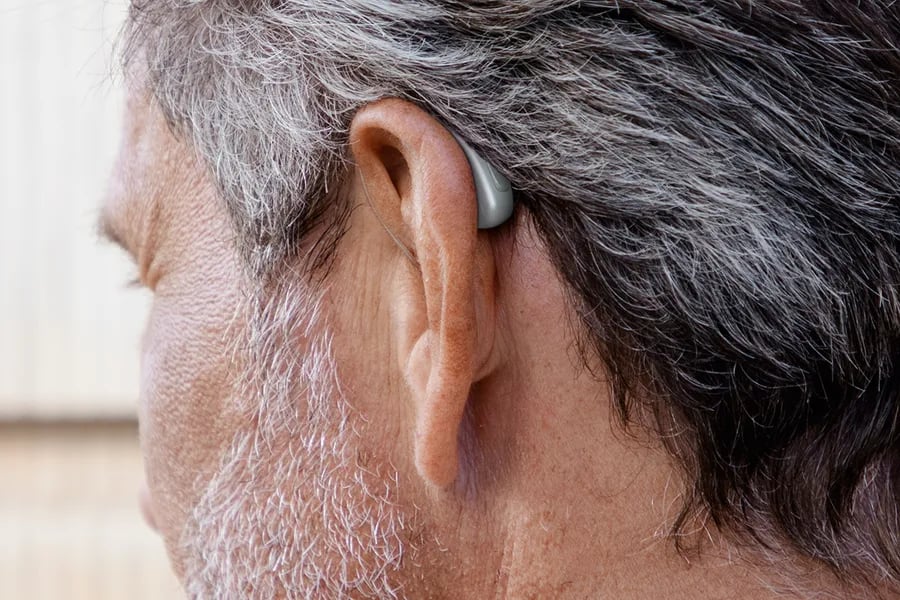
Comfort is therapy. If a device is fiddly or occluding, you will not wear it long enough to benefit from it. Open-fit receiver-in-canal (RIC) styles are often ideal for tinnitus with high-frequency hearing loss because they preserve the natural quality of your own voice and allow low-frequency environmental sounds to pass through.
7) Rechargeable convenience
Simple, reliable charging removes barriers to daily wear. Consistent use is crucial for reaping the benefits of tinnitus treatment.
Which style is “best”?
For many patients, open-fit RIC hearing aids are a sweet spot. They are discreet, comfortable, and provide flexible amplification with excellent sound therapy options. Custom in-ear devices can suit those who prefer a single-piece design or need more wind noise protection. Behind-the-ear devices with earmolds may be selected for more significant hearing loss or those with dexterity needs. Style choice is less about tinnitus and more about your hearing profile, ear anatomy, and daily routines. We decided this together after real-ear measurements and a comfort trial.
Sound therapy options explained.d
-
White or pink noise: Smooth, neutral sound that blends with a wide range of tinnitus pitches. Adjustable to “just noticeable” level so it soothes rather than overwhelms.
-
Nature soundscapes, such as waves, rain, or stream sounds, can be more pleasant for some people and are easy to use in the background.
-
Fractal tones: Gentle, music-like patterns that avoid loops your brain can latch onto. Helpful if you find the noise too bland.
-
Notch therapy: For tonal tinnitus with a stable pitch, we can create a “notch” in amplification around that frequency to encourage the brain to pay it less attention over time. This must be set with care and reviewed.
No single therapy wins for everyone. We test options in the clinic and at home, refine levels, and often settle on two or three favourites you can switch between.
Matching the approach to your profile
-
High-frequency hearing loss with tonal tinnitus: Open-fit RICs with accurate high-frequency amplification, combined with either noise or notch therapy, often work very well.
-
Normal hearing with bothersome tinnitus: Sometimes, a slim RIC or a small in-ear device, used mainly for sound therapy and streaming, is enough. We also emphasise sound enrichment in quiet environments.
-
Tinnitus with sound sensitivity (hyperacusis): We start gently. Over-amplification can aggravate sensitivity—the plan mutilisesvery light ,ggaiafullyaadjustedcompression settings, and soothing therapy at low levels.
-
Fluctuating, stress-linked tinnitus: App control, streaming access to relaxation tracks, and a broader toolkit that includes sleep and stress strategies typically bring the best results.
Brands and “best” models, honestly
Almost every major manufacturer now offers strong tinnitus features. Some emphasise fractal tones, others notch therapy or flexible noise libraries. As an independent company, we select from all brands and families. In practice, the best device is the one that matches your hearing and tinnitus profile, sits comfortably, integrates into your life, and is fitted to evidence-based standards. Two people can try the same model and have very different experiences. That is why we trial, measure, and fine-tune rather than chase a single “winner.”
Fitting quality matters more than the logo.
A hearing aid is a tiny computer, but it only functions properly if it is fitted correctly. At The Audiology Place, we always use real-ear measurements (REM) to confirm that the sound reaching your eardrum matches your prescription targets. We also run speech-in-noise measures to balance clarity and comfort in busy places. For tinnitus, we adjust the tinnitus pitch and loudness as appropriate, set initial therapy levels conservatively, and review them after you have worn the devices in real-life situations. This process reduces the trial-and-error that frustrates many people.
Beyond the device: the complete plan
Hearing aids are the engine room of tinnitus care for many patients, but they are not the whole ship. Your plan might also include:
-
Education and counselling: Understanding the tinnitus system reduces fear and helps your brain let go.
-
Sleep support: Evening sound enrichment and consistent routines matter. Poor sleep amplifies tinnitus perception.
-
Attention and stress strategies: Brief, practical techniques you can use when tinnitus spikes.
-
Ear health checks: Wax management and middle-ear function can influence day-to-day loudness.
-
Referral when needed: Jaw and neck issues, anxiety, or medications can play a role. We work with your GP and allied health as required.
What results should you expect?
Most people notice a reduction in loudness or intrusiveness within the first few weeks of consistent wear. Many report less end-of-day fatigue and better focus at work and home. There are periods when tinnitus fades into the background entirely. Tinnitus can still spike with stress, illness, or lack of sleep, which is why having app-based controls and a personal toolkit is so helpful. The aim is not perfection but predictable control and a return to the activities you enjoy.
A quick checklist when choosing hearing aids for tinnitus
-
Precise, verifiable fitting with real-ear measurements
-
Built-in tinnitus therapy options you actually like listening to
-
Easy app control and Bluetooth streaming
-
Comfortable style you can wear all day
-
A clinician who will review and adjust based on your feedback
-
A plan that includes education, sleep, and stress strategies
How can we help
At The Audiology Place in Forestville,, we work with all major hearing aid brands and tailor fittingsto achiever both hearing clarity and tinnitus relief. Your first comprehensive appointment is unhurried and includes full diagnostics, tinnitus profiling( where indicate)dca ompletescussion of goals, and a handdemonstration demo of sound therapy options. If you are eligible for the Hearing Services Program, we can discuss fully subsidised or partially subsidised options. Most importantly, we stay with you through the follow-up period, adjusting until you are confident and in control.
If tinnitus is taking up too much space in your life, thproperht hearing aid fitting paired with the right plan can give you that space back. When you are ready, we will sit down together, listen carefully, and build something that works for you.