Your ear’s been playing up for a week. Maybe there’s ringing that won’t quit, or sounds seem muffled, or your kid failed a school hearing screening. You know you need to see someone. But who?
The Australian healthcare system gives you three main options: your GP, an Ear Nose and Throat specialist (ENT), or an audiologist. Each does different things. Picking the wrong one means wasted time, wasted money, and sometimes a problem that gets worse while you’re bouncing between waiting rooms.
Here’s how to work out which door to knock on first.
The Quick Answer
| Specialist | What They Do | See Them For |
| GP | General medical care, basic ear examination, prescriptions, referrals | Ear infections, pain, discharge, sudden hearing loss (urgent referral) |
| ENT | Medical and surgical treatment of ear, nose, throat conditions | Chronic infections, structural problems, grommets, cholesteatoma, tumours |
| Audiologist | Hearing assessment, hearing aids, tinnitus management, rehabilitation, wax removal | Hearing difficulty, tinnitus, blocked ears (wax), APD, hearing aid fitting |
The biggest thing to understand: GPs and ENTs are medical doctors. Audiologists are not. We’re university-trained hearing specialists who diagnose and rehabilitate hearing problems, but we don’t prescribe medication or perform surgery. What we do is test hearing with far more precision than a GP can, fit and program hearing aids, manage tinnitus, and handle problems like auditory processing disorder.
When to See Your GP First
Your GP is the right starting point when something’s medically wrong with your ear. Think infection territory.
See your GP if you have:
- Ear pain (especially with fever)
- Discharge coming from your ear
- Sudden hearing loss (this is actually urgent and your GP should refer you immediately)
- Dizziness or vertigo that came on suddenly
- A child with repeated ear infections
Your GP can look in your ear with an otoscope, diagnose common infections, prescribe antibiotics or ear drops, and refer you onwards if needed. For straightforward infections, they’re all you need.
One thing GPs can’t do well: test your hearing properly. The whispered voice test or tuning fork test you might get at a GP appointment gives only a rough idea. If hearing loss is the main concern, skip the GP and go straight to an audiologist. No referral required.
When to See an ENT Specialist
ENT specialists (also called otolaryngologists, if you want to sound impressive at dinner parties) are surgeons who handle the medical and structural side of ear problems. You’ll usually need a GP referral to see one, and there’s often a wait.
See an ENT if you have:
- Chronic ear infections that keep coming back
- A perforated eardrum
- Cholesteatoma (abnormal skin growth in the middle ear)
- Glue ear that isn’t resolving (especially in kids who might need grommets)
- Suspected acoustic neuroma or other growths
- Severe, sudden hearing loss (needs urgent assessment)
- Conductive hearing loss that might be surgically treatable
ENTs are the people who perform surgery: grommets for kids with persistent glue ear, tympanoplasty to repair damaged eardrums, stapedectomy for otosclerosis, and cochlear implant surgery. If something needs fixing structurally, you need an ENT.
What ENTs don’t typically do: fit hearing aids or provide ongoing hearing rehabilitation. After an ENT diagnoses and treats the medical problem, they’ll often refer you to an audiologist for the hearing side of things.
When to See an Audiologist
Here’s the bit most people don’t realise: you don’t need a referral to see an audiologist. If you have a referral, some things are covered by medicare. You can book directly, get seen quickly, and often sort out your problem faster than going through the GP-referral-specialist chain.
See an audiologist if:
- You’re having trouble hearing conversations (especially in background noise)
- You’ve got ringing, buzzing, or other sounds in your ears (tinnitus)
- Your ears feel blocked and you suspect wax
- Your child’s teacher says they’re not responding in class
- Your child failed a school hearing screening
- You suspect auditory processing disorder (hearing is fine but understanding is difficult)
- Certain sounds are painfully loud (hyperacusis)
- Specific sounds trigger strong emotional reactions (misophonia)
- You need a hearing test for work or a medical assessment
- You want hearing aids or need your current ones adjusted
Audiologists run detailed hearing assessments using calibrated equipment in sound-treated rooms. We measure how well you hear different frequencies, test speech understanding, check middle ear function with tympanometry, and can identify exactly what type of hearing loss you have and how severe it is.
For hearing aids, audiologists handle everything: recommending appropriate technology, programming aids using Real Ear Measurement (the gold standard for fitting accuracy), fine-tuning over time, and teaching you how to get the most from your devices.
A Note on Audiologist Independence
Not all audiology clinics are created equal, and this matters when you’re being recommended a hearing aid that costs several thousand dollars.
Many audiology practices in Australia are owned by hearing aid manufacturers. Others operate under franchise agreements that push specific brands. When the clinic recommending your hearing aid is owned by the company that makes it, you’ve got to wonder whether the recommendation is based on what’s best for your ears or what’s best for their bottom line.
Independent audiologists work differently. We’re not owned by manufacturers. We don’t have sales targets for particular brands. We can recommend the aid that actually suits your hearing loss, lifestyle, and budget rather than the one that earns us the biggest kickback.
It’s worth asking any audiologist: who owns this practice? Do you carry multiple brands? Are there sales incentives attached to particular products? The answers tell you a lot.
Common Scenarios: Who to See
“My ear’s been blocked for a week”
If there’s no pain and no discharge, it’s probably wax. See an audiologist. We can look in your ear, confirm whether it’s wax, and remove it safely using microsuction. If it turns out to be something else, we’ll let you know and point you in the right direction.
“I’ve got ear pain and my hearing’s muffled”
That’s infection territory. See your GP. You likely need ear drops or antibiotics. Once the infection clears, if the muffled hearing doesn’t resolve, then see an audiologist for a hearing test.
“I’m asking people to repeat themselves constantly”
That’s gradual hearing loss, and it’s audiologist territory. We’ll test your hearing, explain exactly what’s happening, and discuss your options. If hearing aids would help, we’ll walk you through what’s available and what funding you might qualify for.
“My child can hear but doesn’t seem to understand”
Sounds like possible Auditory Processing Disorder. See an audiologist who specialises in APD (not all do). The testing is specific and takes a couple of hours, but it can explain what’s going on and open up pathways for support.
“I’ve had four ear infections this year”
That’s a pattern worth investigating. See your GP for a referral to an ENT. There might be an underlying structural issue, or you might benefit from grommets or other intervention.
“I woke up and couldn’t hear out of one ear”
This is urgent. See your GP immediately (or an emergency department if your GP can’t see you today). Sudden sensorineural hearing loss needs treatment within 72 hours for the best chance of recovery. Your GP should refer you urgently to an ENT.
Frequently Asked Questions
Do I need a referral to see an audiologist?
No. You can book directly with an audiologist without going through your GP first. This is one of the advantages of seeing an audiologist for hearing concerns: no waiting for a referral, no extra appointment.
Can audiologists prescribe medication?
No. Audiologists are not medical doctors and cannot prescribe medication. If we identify something that needs medical treatment during an appointment, we’ll refer you to your GP or an ENT.
Is a hearing test covered by Medicare?
Medicare covers hearing assessments for children under specific programs. For adults, Medicare rebates apply when referred by a GP to a participating audiologist, or through the Hearing Services Program for eligible pensioners and veterans. Private hearing tests are not covered by Medicare but may be partially covered by private health insurance.
What’s the difference between an audiologist and an audiometrist?
Audiologists complete a university degree (Bachelor’s or Master’s) covering the full scope of hearing assessment, diagnosis, and rehabilitation. Audiometrists complete a shorter TAFE diploma focused mainly on hearing testing and fitting basic hearing aids. Audiologists can assess and manage more complex conditions including tinnitus, auditory processing disorder, and paediatric hearing issues.
Can an audiologist remove ear wax?
Yes. Many audiologists offer ear wax removal, typically using microsuction (a gentle vacuum method) or curette (manual removal). Not all audiologists offer this service, so check when booking.
Should I see an ENT or an audiologist for tinnitus?
For most tinnitus, start with an audiologist. We’ll assess your hearing (tinnitus and hearing loss often go together), discuss management strategies, and refer to an ENT if there are red flags suggesting something that needs medical investigation. If your tinnitus is pulsatile (sounds like a heartbeat), one-sided, or came on suddenly with hearing loss, see your GP for an ENT referral first.
The Bottom Line
Pain, discharge, or sudden symptoms? Start with your GP. Chronic infections or surgical questions? You need an ENT. Everything else relating to hearing, understanding speech, tinnitus, wax, or hearing aids? Come straight to an audiologist.
The system isn’t always intuitive, and sometimes you’ll need more than one of us involved in your care. But knowing where to start saves you time, money, and the frustration of sitting in the wrong waiting room.
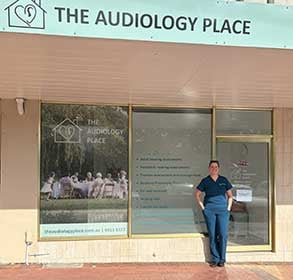
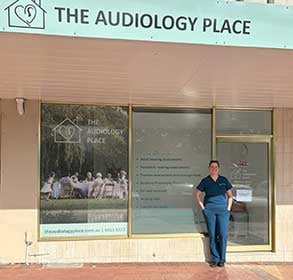
Need to book a hearing test or get your ears checked? The Audiology Place is an independent audiology clinic on Sydney’s Northern Beaches. No manufacturer ownership, no brand loyalty, just straight answers about your hearing.