
Short answer: yes. If you have a diagnosed hearing loss, well-fitted hearing aids are one of the most effective ways to improve your day-to-day life. They support your brain health, make social situations easier and more enjoyable, can be linked with longer, healthier lives, and bring back the simple pleasures of sound, from your favourite music to the birds in the backyard. Below is a practical guide to why they are worth it, what to expect, and how we approach care at The Audiology Place.
They support your brain, not just your ears.
Hearing happens in the brain. Your ears collect sound, but it is your brain that decodes speech, separates voices from noise, and makes sense of what you hear. Untreated hearing loss starves the brain of sound detail. Over time, that can increase listening effort and fatigue, and can affect attention and memory. By restoring clarity and audibility, hearing aids help keep the auditory parts of your brain active. Many people notice they feel less tired at the end of the day because they are not straining to fill in the gaps. Others find they follow conversations more easily and recall details better. While hearing aids are not a cure for every cognitive concern, supporting healthy auditory input is a smart step for long-term brain health.
Social life becomes easier again.
Hearing loss makes even simple conversations hard work. You might find yourself guessing at words, smiling to move things along, or avoiding group settings because it all feels too effortful. Loved ones, in turn, can become frustrated when they have to repeat or when the TV is too loud. Hearing aids change that dynamic. With the correct prescription and setup, voices become clearer, background noise is more manageable, and misunderstandings are reduced. The result is less friction and more connection. It also helps the people around you feel heard. Small wins add up quickly: enjoying a café chat, understanding the punchline at dinner, or being able to talk to the grandkids in the car without stress.
Better hearing is linked with healthier, longer lives.
Good communication keeps us active and engaged. People who hear well tend to stay socially connected, maintain their hobbies, and engage in more physical activity. These behaviours are linked to a better mood, better balance, and overall better health. Extensive population studies have found that untreated hearing loss is associated with higher risks of isolation, depression, falls, and other health issues. Treating hearing loss with well-fitted devices is associated with lower risks and, in some studies, with longer life expectancy. The mechanism is likely multifactorial. When you hear well, you participate more. Continue to exercise, meet friends, and contribute at work or in the community. That everyday engagement is powerful medicine.
The return of joy: music, TV, and the sounds of nature
Hearing aids are not only about function. They bring delight back. For music lovers, modern devices can be tuned for fuller, richer sound with less distortion. You can stream directly from your phone for private listening or enjoy live music with programs optimised for wide dynamics. TV becomes less of a battleground, since audio streams cleanly to your devices at a comfortable level for you and a quiet level for everyone else. Outdoors, many people rediscover subtle sounds they had forgotten were missing, such as the wind in the trees, waves on the beach, or morning bird calls. These may seem small, but they shape mood and quality of life.
Today’s technology is discreet, bright, and comfortable
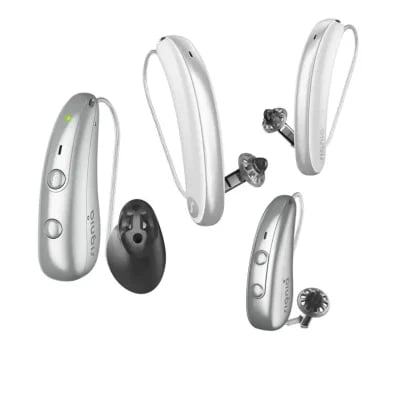
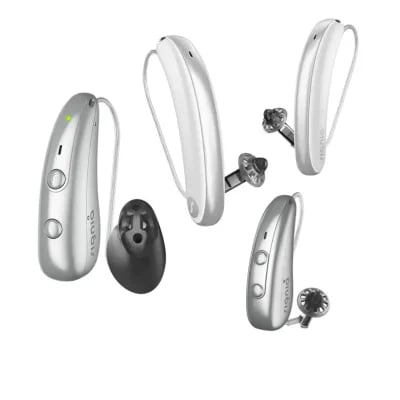
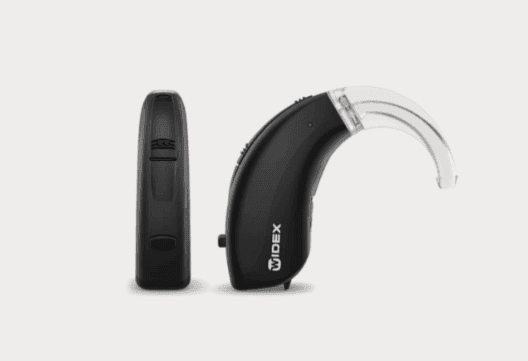
If you are picturing whistling, bulky devices of decades past, it is time for an update.Today’s hearing aids are small, comfortable, and packed with intelligent features:
Clarity in noise with directional microphones and noise reduction.
Rechargeable batteries that last a full day for most wearers.
Bluetooth connectivity for calls, TV, music, and podcasts.
Automatic programs that adapt as you move between quiet rooms, busy cafés, and windy parks.
App controls so you can make quick adjustments without fiddling.
Fit and comfort matter as much as the electronics. We assess your ear shape, skin sensitivity, and dexterity to choose domes or custom earmoulds that feel good for extended wear.
The fitting makes the difference.
Hearing aids only shine when they are fitted well. At The Audiology Place, we take an evidence-based approach from day one:
Comprehensive assessment
We test across frequencies, including high-frequency audiometry where relevant, and assess middle ear function and speech in noise. For children and complex cases, we add age-appropriate measures.Precise prescription and verification
We use real-ear measurements on every fitting. This involves tiny microphones in your ear canal that verify the sound delivered by the hearing aid matches your prescription targets for soft, average, and loud speech.Fine-tuning for your life
Hearing needs are personal. We tailor programs for meetings, music, phone calls, and outdoor activity, and we teach practical communication strategies that complement the technology.Follow-up and ongoing care
Your brain adapts over weeks, not minutes. We schedule follow-ups to fine-tune and provide ongoing care and support. Regular cleanings, firmware updates, and adjustments to earmoulds or domes, along with hearing checks, help keep everything performing at its best.
As an independent clinic, we are not tied to any one brand. That means we can recommend the right solution for your hearing, your ears, and your budget.
Every day worries, answered.
“What if I am not ‘ bad enough’ yet?”
If your hearing loss affects conversations, confidence, or energy, you are “bad enough.” Starting earlier can help you adapt more easily and support better long-term outcomes.
“Will people notice?”
Modern devices are discreet. Most people will notice your engagement, not your hearing aids.
“Are they hard to manage?”
Rechargeable options simplify daily use. We teach you everything you need to know, and we are here to help if you ever need assistance.
“Are they expensive?”
There is a wide range of devices and price points. Under the Commonwealth Hearing Services Program, eligible clients can access fully subsidised options or a contribution toward advanced technology. We explain all options clearly so you can make an informed choice with confidence.
How to tell if hearing aids could help you
You do not need to guess. If you notice any of the following, book a hearing test:
You ask people to repeat, especially in noise.
You turn up the TV beyond what others prefer.
Conversations can be tiring, or you may avoid social situations.
You struggle on the phone or mishear names, numbers, or details.
Family or friends may notice changes, even if you have adapted.
A comprehensive diagnostic assessment provides clarity. If hearing aids are recommended, we will explain your results in plain language and outline a plan tailored to your goals.
Life after fitting: what to expect
The first few days are often full of “new old” sounds. Your brain quickly relearns what to prioritise. Speech clarity improves first for many people, with noisy environments becoming easier to manage over the next couple of weeks. We will check in, adjust if anything feels too sharp or dull, and provide you with tips for positioning in restaurants, using your app controls in a pinch, and maximising the benefits of streaming at home. Most of our patients say they wish they had started sooner.
The bottom line
Are hearing aids worth it? For people with a diagnosed hearing loss, yes. They support brain health, make conversations easier, reduce frustration for you and the people you love, are associated with longer, healthier lives, and bring back joy in the sounds that make life rich. When fitted and supported correctly, they are a high-value investment in your wellbeing.
If you would like personalised advice, we would love to help. The Audiology Place is an independent clinic in Forestville, serving the Northern Beaches and North Shore. Your first full hearing test and consultation takes about 90 minutes, and includes the detailed measures we need to match technology to your life. From there, we walk the journey with you, with careful fitting, real-ear verification, and ongoing care. Please book an appointment and let us help you hear your best.