
Whether you’re a performing musician, sound engineer, music teacher, or simply a devoted concert-goer, your ears are constantly exposed to sound levels that can cause permanent, irreversible damage. The good news? Modern hearing protection technology has evolved far beyond the foam plugs that muffle everything into an underwater soup. Today’s musician earplugs are designed to preserve sound quality whilst reducing volume—allowing you to hear the music as it was intended, just at safer levels.
This article explores the evidence behind noise-induced hearing loss in musical settings, the technology that makes quality hearing protection possible, and the practical steps you can take to protect your hearing without compromising your craft or enjoyment.
The Sound Exposure Reality for Musicians and Music Lovers
Research consistently demonstrates that musicians face occupational hearing risks comparable to—and often exceeding—those in traditionally noisy industries. A 2014 systematic review published in the *International Archives of Otorhinolaryngology* found that professional musicians had significantly higher rates of hearing loss and tinnitus than the general population. Concert venues regularly produce sound levels of 100-115 dB SPL, whilst orchestral musicians can be exposed to peaks exceeding 95 dB SPL during rehearsals and performances.
According to SafeWork Australia guidelines, continuous exposure to 85 dB SPL requires hearing protection after 8 hours. At 100 dB SPL, that safe exposure window shrinks to just 15 minutes. A typical rock concert at 110 dB SPL? Less than two minutes before you’ve exceeded safe daily exposure limits. For musicians who rehearse for hours and perform multiple nights per week, the cumulative effect can be devastating—and permanent.
The particular concern with music-related hearing damage is that it’s often insidious. Unlike sudden acoustic trauma, noise-induced hearing loss from music exposure typically develops gradually over years. By the time musicians notice difficulty understanding conversation in noisy environments or develop persistent tinnitus, significant irreversible damage has already occurred.
Understanding Flat Attenuation: Why Musician Earplugs Are Different
Traditional foam earplugs work by blocking sound indiscriminately across all frequencies, typically providing 20-33 dB of reduction with greater attenuation in the high frequencies. This creates a muffled, distorted sound that makes it nearly impossible to monitor pitch, tone, or mix accurately. For musicians, this isn’t just unpleasant—it’s professionally unworkable.
Musician earplugs use precision-engineered acoustic filters that provide relatively flat attenuation across frequencies. Rather than blocking sound, these filters use carefully calculated bore diameters and acoustic mesh materials to reduce volume evenly, typically by 9, 15, 17, or 25 dB, depending on the filter selected. The result is sound that maintains its natural quality and frequency balance, just at a safer volume level.
Think of it this way: foam plugs are like turning down the treble whilst leaving everything else muddy. Flat attenuation filters are like turning down the master volume on a mixing desk—everything stays in proportion, just quieter. This allows musicians to continue monitoring their own performance, accurately hear other ensemble members, and make real-time adjustments to dynamics and intonation.
Custom vs Universal Fit: What’s Right for You?
When selecting musician earplugs, you’ll encounter two primary options: universal fit and custom moulded.
Universal fit earplugs feature pre-manufactured tips (typically silicone flanges or foam) attached to the acoustic filter. Quality universal options like Etymotic ER20XS or Alpine MusicSafe Pro represent a significant improvement over standard foam plugs and can be purchased without clinical fitting. They’re portable, relatively affordable (generally $30-60), and suitable for occasional concert attendance or as backup protection.
However, universal fit earplugs have limitations. Seal quality varies with individual ear canal anatomy, affecting both comfort and acoustic performance. They can work loose during physical movement, compromising protection. For professional musicians or regular users, custom moulded earplugs offer substantial advantages.
Custom musician earplugs are manufactured from impressions of your individual ear canals, creating a precise fit that’s comfortable for extended wear and maintains a consistent acoustic seal. The process begins with a consultation and ear examination at a qualified audiology clinic, followed by taking silicone impressions of your ear canals. These impressions are sent to a specialist laboratory where your custom earplugs are manufactured—typically in medical-grade acrylic or soft silicone material.
Custom earplugs provide:
– Superior comfort for extended wearing periods (3-8 hours)
– Consistent, reliable attenuation that doesn’t vary with jaw movement or head position
– Interchangeable filter options, allowing you to select appropriate protection levels for different environments
– Durability—quality custom earplugs typically last 4-7 years with proper care
– Professional verification of fit and performance
The cost of custom musician earplugs in Sydney typically ranges from $250 to $450, depending on the material and filter options. For professional musicians or regular concertgoers, this represents exceptional value given the irreplaceable nature of your hearing.
The Custom Fitting Process: What to Expect
If you’re considering custom musician earplugs in Sydney, understanding the fitting process helps ensure optimal results.
Your appointment will typically begin with otoscopy—visual examination of your ear canals using a specialised microscope or video system. This confirms that your ear canals are clear of wax buildup or any conditions that might affect impression-taking or earplug use. If significant cerumen is present, your audiologist may recommend professional removal before proceeding.
The impression-taking process itself is straightforward and comfortable. A cotton or foam block is gently placed in your ear canal to protect your eardrum, then medical-grade silicone material is carefully injected into your ear. You’ll be asked to keep your jaw slightly open during the setting process (usually 3-5 minutes per ear) to capture the ear canal shape during typical use. This “open jaw” impression technique is crucial for musicians, as it accounts for the canal shape changes that occur when speaking, singing, or playing wind instruments.
Following impression-taking, you’ll discuss filter options with your audiologist. The appropriate attenuation level depends on your specific exposure:
– **9 dB filters**: Suitable for music teachers, acoustic ensemble musicians, or rehearsal settings
– **15 dB filters**: The most versatile option for most musicians and concert-goers
– **17-25 dB filters**: Appropriate for rock/metal performers, drum kit players, or front-of-stage positions near PA systems
Many custom systems allow filter changing, so you can adjust protection levels for different musical environments using the same custom shell.
Once manufactured (typically 1-2 weeks), you’ll return for a fitting appointment where your audiologist verifies the physical fit, comfort, and acoustic seal. Some clinics can perform objective verification using real-ear measurement (REM) equipment, which measures the actual sound level reduction achieved in your individual ear canals. This gold-standard verification ensures your earplugs are performing as intended.
In-Ear Monitors: When Is the Upgrade Worth It?
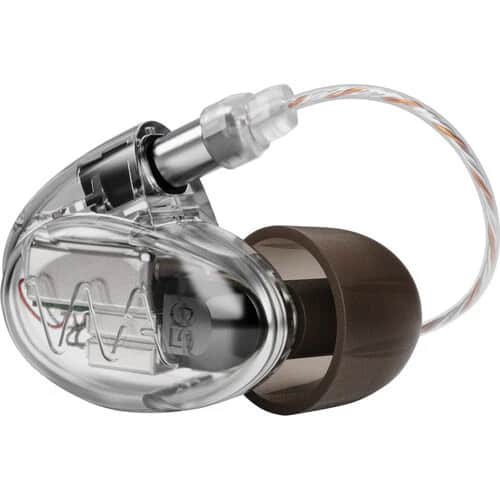
For performing musicians—particularly those in contemporary, rock, or electronic music settings—custom in-ear monitors (IEMs) offer an alternative that combines hearing protection with performance-monitoring capabilities.
IEMs physically seal the ear canal (providing 20-30 dB of passive noise reduction) whilst delivering a personalised monitor mix directly to the performer. This eliminates the need for stage wedges or foldback speakers, substantially reducing overall stage volume. Many professional musicians report that transitioning to IEMs not only protects their hearing but also improves performance quality by providing clearer monitoring of their own instrument and vocals.
The investment for professional custom IEMs starts around $800- $ 1200 and extends well into the thousands for multi-driver audiophile systems. This makes sense for working professionals, but represents overkill for most amateur musicians or concert attendees. Your audiologist can discuss whether IEMs are appropriate for your specific performance requirements and budget.
Caring for Your Investment
Proper maintenance ensures your musician earplugs continue providing effective protection for years:
– Clean after each use with a soft, dry cloth or purpose-designed cleaning tool
– Wash periodically with mild soap and lukewarm water, ensuring thorough drying before storage
– Store in the provided case to prevent damage or contamination
– Avoid exposure to extreme heat (don’t leave in cars during summer)
– Check filters regularly for wax or debris buildup that can affect performance
– Schedule periodic check-ups with your audiologist if fit seems to have changed
Most custom earplug manufacturers recommend replacement every 4-7 years, as ear canal dimensions can change gradually with age. If you experience significant weight change, dental work, or jaw surgery, earlier replacement may be necessary.
Recognising When Protection Isn’t Enough
Whilst musician earplugs substantially reduce hearing risk, they’re not a panacea. Be alert to warning signs that your hearing may already be affected:
– Ringing, buzzing, or tinnitus during or after musical exposure
– Temporary muffled hearing following performances
– Difficulty understanding conversation in restaurants or group settings
– Asking people to repeat themselves frequently
– Increasing the volume on personal devices beyond previous comfortable levels
If you experience any of these symptoms, book a comprehensive hearing assessment with a qualified audiologist. Early intervention can prevent further deterioration and provide management strategies for existing concerns. Remember that hearing damage is cumulative and irreversible—there’s no “rebooting” your cochlear hair cells once they’re damaged.
Making the Commitment to Safe Listening
The paradox of noise-induced hearing loss is that prevention is simple and effective, yet the damage is permanent and untreatable. For musicians and music lovers, custom earplugs represent a small investment that protects your hearing and allows you to continue engaging with music at the highest level.
The audiologists at The Audiology Place provide expert assessment, custom impression-taking, and verification of fitting for musician earplugs in Sydney. We maintain a brand-agnostic approach, recommending solutions based on your individual needs rather than sales targets or manufacturer relationships.