If you’ve noticed your tinnitus becoming louder, more persistent, or simply harder to ignore, you’re not alone in feeling concerned. Among patients we see at The Audiology Place for worsening tinnitus, one of the most common questions is whether the change they’re experiencing is normal or requires urgent attention. Understanding why tinnitus fluctuates—and when those fluctuations signal something more serious—is crucial for making informed decisions about your hearing health.
Tinnitus, the perception of sound without an external source, affects approximately 20% of Australians at some point in their lives. For most, it remains stable or even improves over time, particularly with proper management. However, when tinnitus suddenly becomes louder or more intrusive, it understandably raises alarm. This article explores the evidence-based reasons why your tinnitus might be getting worse, distinguishes normal variation from concerning changes, and provides clear guidance on when professional assessment is essential.
Understanding Normal Tinnitus Fluctuation
Before exploring worrying changes, it’s important to recognise that tinnitus naturally fluctuates for most sufferers. Day-to-day variations in volume and intrusiveness are common and don’t necessarily indicate progression of an underlying condition. Research from the Tinnitus Research Initiative has demonstrated that factors including environmental noise levels, attention, emotional state, and even time of day can all influence how prominently we perceive tinnitus.
Many patients notice their tinnitus seems worse in quiet environments, particularly at night when competing sounds diminish and attention becomes focused on internal sensations. Similarly, periods of heightened stress or fatigue commonly correlate with temporary increases in tinnitus perception. These fluctuations, whilst frustrating, typically represent changes in how your brain processes the tinnitus signal rather than actual progression of an auditory condition.
That said, persistent worsening over weeks or months, or sudden dramatic changes in tinnitus character, warrant closer investigation. The key distinction lies between temporary variation and sustained deterioration—a pattern that often becomes clearer when tracking symptoms over time rather than reacting to isolated experiences.
Common Causes of Worsening Tinnitus
Progressing Hearing Loss
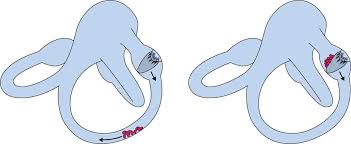
The relationship between tinnitus and hearing loss is well-established, with approximately 80-90% of tinnitus cases occurring alongside some degree of hearing impairment. When hearing loss progresses—whether due to age-related changes (presbycusis), noise exposure, or other factors—tinnitus often intensifies correspondingly. This occurs because reduced auditory input prompts compensatory changes in how the central auditory system processes sound signals, effectively “turning up the gain” and, unfortunately, amplifying the tinnitus perception alongside actual sounds.
Progressive hearing loss typically develops gradually, though sudden sensorineural hearing loss (SSNHL) can occur with dramatic onset. Either pattern may manifest as worsening tinnitus before changes in hearing become subjectively noticeable, making a comprehensive audiometric assessment essential when tinnitus deteriorates.
Stress, Anxiety and Sleep Deprivation
The bidirectional relationship between tinnitus and psychological well-being creates a challenging cycle. Stress and anxiety activate the sympathetic nervous system and heighten attention to perceived threats—including internal sounds like tinnitus. This increased awareness can make existing tinnitus seem substantially worse, even without changes to the underlying auditory signal.
Sleep deprivation compounds this effect significantly. Poor sleep reduces cognitive resources for habituation (the brain’s ability to filter out constant, non-threatening stimuli) and lowers emotional resilience, making tinnitus harder to manage. Many patients report their tinnitus is noticeably worse following nights of disrupted sleep, creating a vicious cycle where tinnitus interferes with sleep, which then intensifies tinnitus perception.
Research published in the International Journal of Audiology has consistently demonstrated that addressing sleep quality and psychological factors can produce significant improvements in tinnitus distress, even when the tinnitus itself remains unchanged on audiologic testing.
Medication Changes
Ototoxic medications—those capable of damaging the inner ear or auditory nerve—represent an important but often overlooked cause of worsening tinnitus. Over 200 medications carry ototoxic potential, including some commonly prescribed drugs:
– High-dose aspirin and other salicylates
– Certain antibiotics (particularly aminoglycosides and some fluoroquinolones)
– Loop diuretics
– Some chemotherapy agents
– Non-steroidal anti-inflammatory drugs (NSAIDs) in high doses
For most medications, ototoxic effects are dose-dependent and reversible upon discontinuation, though some agents can cause permanent changes. If your tinnitus has worsened following commencement of a new medication or dose adjustment, discussing this with both your prescribing physician and audiologist is essential. Never discontinue prescribed medications without medical guidance, as the underlying condition being treated may pose greater health risks than the tinnitus itself.
Noise Exposure
Even brief exposure to loud sounds can temporarily worsen tinnitus, whilst repeated or prolonged exposure may cause permanent deterioration. Acoustic trauma triggers inflammatory processes in the cochlea and can damage delicate hair cells that convert sound into neural signals. This damage often manifests as temporary threshold shift (temporary hearing loss) accompanied by increased tinnitus, which typically resolves within hours to days.
However, repeated temporary shifts may accumulate into a permanent threshold shift and sustained tinnitus worsening. For those already experiencing tinnitus, the auditory system may be more vulnerable to further noise damage, making hearing protection in loud environments particularly crucial.
Vascular and Metabolic Changes
Changes in cardiovascular health, blood pressure, or metabolic conditions such as diabetes can influence tinnitus perception. Hypertension may alter blood flow to the inner ear, whilst blood sugar fluctuations affect neural function throughout the auditory pathway. Additionally, conditions that affect blood viscosity or cause atherosclerosis can reduce cochlear perfusion, potentially worsening both hearing and tinnitus.
Red Flags: When Worsening Tinnitus Requires Urgent Assessment
Whilst most tinnitus fluctuations don’t indicate serious pathology, certain characteristics warrant prompt medical evaluation. The following red flags should trigger assessment within days rather than weeks:
Pulsatile tinnitus: If you hear rhythmic sounds synchronised with your heartbeat, particularly if this represents a new symptom or change in character, investigation is essential. Pulsatile tinnitus may indicate vascular abnormalities, including arteriovenous malformations, venous sinus stenosis, or, rarely, vascular tumours such as glomus tumours. These conditions require imaging studies and specialist assessment.
Unilateral (one-sided) tinnitus: Tinnitus localised to one ear, especially if accompanied by asymmetric hearing loss or a sensation of fullness, requires investigation to exclude retrocochlear pathology such as vestibular schwannoma (acoustic neuroma). Whilst these tumours are benign and relatively uncommon, early detection significantly improves treatment outcomes.
Sudden hearing loss accompanied by tinnitus: Sudden sensorineural hearing loss is a medical emergency requiring assessment and treatment, ideally within 72 hours of onset. If your tinnitus has worsened alongside rapid hearing deterioration (typically occurring over hours to a few days), seek immediate medical attention. Early corticosteroid intervention significantly improves recovery prospects.
Neurological symptoms: Tinnitus accompanied by dizziness, significant vertigo, facial weakness, visual disturbances, severe headaches, or difficulty with coordination requires urgent medical assessment, as these combinations may indicate central nervous system pathology.
Significant distress or suicidal ideation: Severe tinnitus-related distress that substantially impairs quality of life or triggers thoughts of self-harm constitutes a psychological emergency requiring immediate mental health support alongside audiological management.
Practical Steps When Your Tinnitus Gets Worse
If you’re concerned about worsening tinnitus, taking systematic steps helps distinguish concerning changes from normal variation whilst ensuring appropriate intervention when needed:
Track your symptoms: Maintain a brief daily log noting tinnitus loudness (e.g., 1-10), character (ringing, buzzing, hissing, pulsing), circumstances when it seems worse, and any accompanying symptoms. This objective record proves invaluable during clinical assessment and helps identify patterns you might otherwise miss.
Review recent changes: Consider whether tinnitus worsening correlates with medication changes, noise exposure, sleep pattern disruptions, increased stress, or dietary modifications (particularly caffeine and alcohol consumption). Identifying temporal associations often points toward modifiable factors.
Protect your hearing: Whilst awaiting assessment, prioritise hearing protection in noisy environments. Custom or quality off-the-shelf earplugs can prevent further acoustic trauma without completely isolating you from your environment.
Manage stress and sleep: Even before formal assessment, implementing good sleep hygiene and stress management techniques may provide symptomatic relief. Background sound enrichment at night (such as gentle nature sounds or white noise) often makes tinnitus less intrusive and sleep more achievable.
Seek professional assessment: A comprehensive audiological evaluation should include pure-tone audiometry across extended frequencies, speech discrimination testing, tympanometry, and potentially otoacoustic emissions or auditory brainstem response testing, depending on presentation. These assessments determine whether worsening tinnitus correlates with measurable hearing changes and guide appropriate management.
At The Audiology Place, our tinnitus assessment protocol follows Tinnitus Research Initiative guidelines, incorporating both objective audiological measures and validated tinnitus-specific questionnaires to comprehensively characterise your condition and guide evidence-based management.
Treatment and Management Considerations
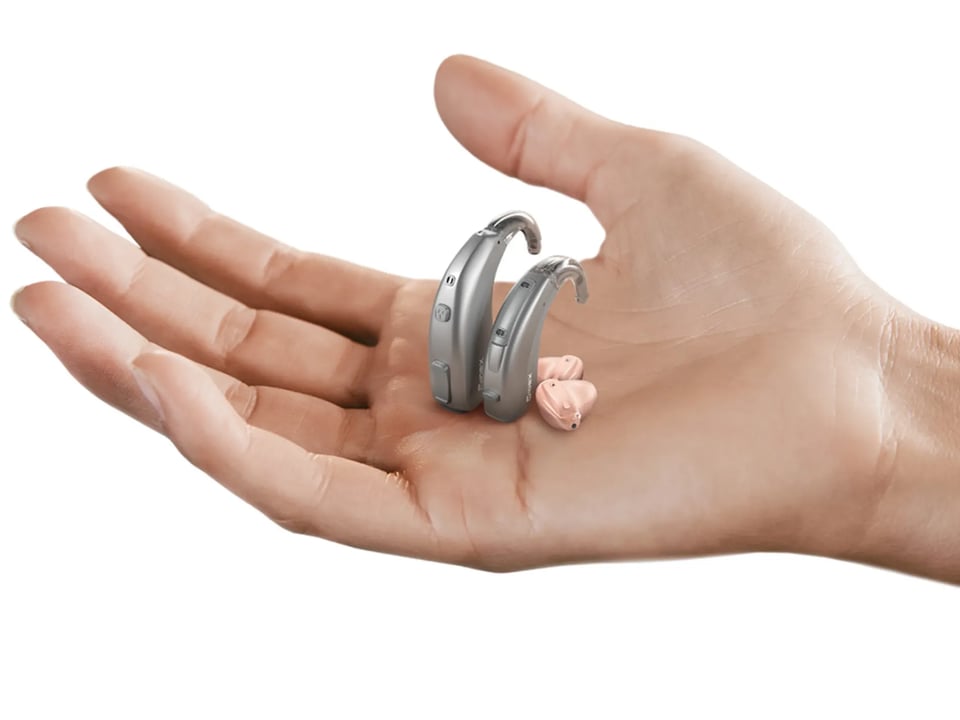
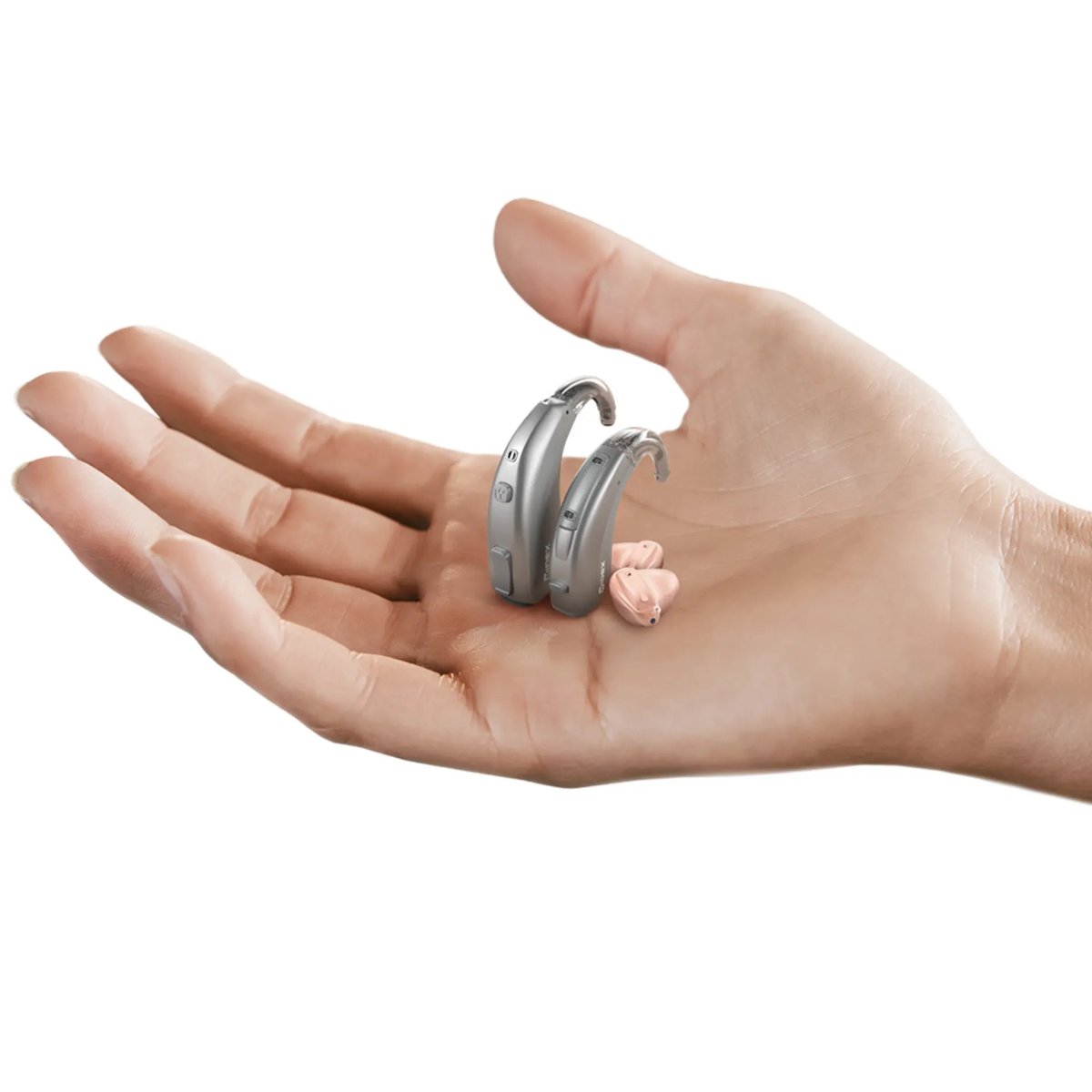
Management of worsening tinnitus depends entirely on the underlying cause. When progressive hearing loss drives tinnitus deterioration, appropriately fitted hearing aids often provide dual benefit—improving communication whilst simultaneously reducing tinnitus perception through enhanced auditory input and attention redirection.
Sound therapy, cognitive-behavioural therapy specifically adapted for tinnitus (CBT-T), and tinnitus retraining therapy are evidence-based interventions for chronic tinnitus that has worsened over time. These approaches don’t eliminate tinnitus but rather modify emotional response and habituate attention, significantly reducing distress and functional impact.
When vascular, metabolic, or medication-related factors contribute to worsening tinnitus, addressing these underlying conditions—in collaboration with relevant medical specialists—often produces improvement. This multidisciplinary approach recognises that tinnitus frequently represents a symptom rather than a standalone condition.
Worsening tinnitus understandably causes concern, but in most cases represents either normal fluctuation or a manageable change rather than serious pathology. That said, distinguishing between concerning and benign changes requires professional assessment—particularly when red flag symptoms appear or when worsening persists beyond a few weeks.
Early intervention consistently produces better outcomes, whether through addressing modifiable factors like noise exposure and sleep, fitting appropriate amplification for accompanying hearing loss, or investigating the rare but important serious causes that present with changing tinnitus character.